Balancing Tourism and Local Life: Mallorca’s Sustainability Challenges

It’s a subject that keeps coming up, and I’ve commented on it many times here. It comes back into the spotlight again here in Mallorca on Sunday, July 26th. We are talking about tourism sustainability.

The last major protest of this kind was in July last year, so it makes you wonder two things: Is there a problem, and what have these people been doing for the past year?

You would think the protesters would have come up with some workable ideas by now that could benefit the island. But no. What they have come up with is a document singling out key commercial pillars that they accuse of driving up the cost of living and squeezing out local residents.

  • Holiday Rental Properties: Apartments and villas utilised for short-term tourist accommodation.
  • Hotels and Resorts: Major hotel chains and infrastructure catering to mass tourism.
  • Real Estate Agencies: Firms facilitating property investments and second-home purchases for international buyers.

This is the part I find unbelievable, and I’m not making this up.

Rather than advocating for peaceful assemblies, the document functions as an operational guide for low-level sabotage and avoiding law enforcement.

  • Identifying and avoiding security cameras when targeting a business.
  • Scanning areas for police presence and checking for plainclothes officers.
  • Tactical advice on avoiding personal identification by the authorities.
  • Carrying out direct actions such as graffiti, vandalism and property defacement, building on recent incidents where real estate storefronts were smashed and spray-painted.

Now, I believe in people’s right to protest, but when you go down this line, to me, you lose all credibility. This is what we are dealing with. Rather than coming up with sensible ideas, they come up with this. I’m lost for words.

I agree that Mallorca needs to look at its sustainability, but let’s be honest: we are not working flat out for 12 months of the year. I would say it’s four months—June to September. Some would argue it’s only July and August. Regardless of whether it’s two or four months, it’s not all year round. But that shouldn’t be an excuse to ignore what is going on. We should react in a positive way.

To alleviate the strain on infrastructure and the local housing market, the authorities have introduced definitive caps:

  • Cruise Ship Restrictions: Palma limits cruise arrivals to a maximum of three ships per day, with only one allowed to be a mega-ship carrying over 5,000 passengers.
  • Accommodation Freezes: Local updates for 2026 show a complete halt to the construction of new youth hostels and tourist apartment rentals in the capital city.
  • Capacity Targets: The Balearic Government has explicitly set caps to prevent total visitor numbers across the archipelago from exceeding historical thresholds.
  • In Mallorca, you are legally required to have an official tourist licence to advertise a property for short-term holiday rentals. Airbnb enforces this by requiring owners to enter a valid licence number before a listing can go live. In the city of Palma, renting apartments to tourists is now illegal.

However, here is a great example of how a national government run by one political party can undermine all the work of an island government run by another. The national government, run by the PSOE in coalition, decided to create a moratorium allowing roughly 500,000 undocumented migrants to obtain one-year work and residence permits. The measure was designed to integrate foreign nationals already in the country, address labour shortages and combat exploitation.

At this point, 34,000 have applied here in Mallorca. Whilst they now become legal residents, it makes you wonder how many didn’t apply, and what steps are we taking to stop undocumented migrants arriving in the first place?

I keep going back to an interview I did with Brad Robertson, who is the Founder and Ambassador of Save The Med. One of their missions is to promote regeneration through a holistic approach, helping local communities become aware and active custodians.

He said, “There’s too many people, mate. Whether you’re a tourist or someone who doesn’t leave your house, it doesn’t matter. There’s just too many of us!”

In two decades, Mallorca’s population has grown from 727,000 to 960,000, an increase of 32 per cent.

The questions remain:

  • Do we have a sustainability issue? Yes.
  • Are we doing something about it? Yes.
  • Can we do more? Yes.

Let’s see how the protest pans out.
The Transformation of Magaluf: From Party Hub to Luxury Destination

I arrived in Mallorca in 1990 on a Dan-Air flight (remember them?) as I was attending a training course for new holiday reps with a company called Intasun. We had never been abroad as a family, so my mum (God bless her) thought I would be back within a week. Thirty-six years later, I’m still here!

The training course took place at the Hotel Guadalupe in Magaluf. It was fairly intense, but my previous four years as a Butlin’s Redcoat stood me in good stead, and I passed with flying colours. There must have been around 50 people on the course, and everyone who passed was called in to be told where in the world they were being sent. Another girl called Lisa and I were told we were staying in Magaluf.

And so my love affair with Mallorca and Magaluf began.

Magaluf’s advertising in 1990 was defined by brash, party-focused marketing from budget travel operators like Club 18–30. Campaigns relied heavily on cheeky slogans, radio spots, and tabloid print ads, promoting cheap booze and “sun-and-sex” holidays. That said, there was still a healthy mix of families visiting the resort.

A family holiday in Magaluf in 1990 was the classic British package holiday. It offered 3-star hotels, sun-drenched sandy beaches, and a boisterous, neon-lit nightlife, with family-friendly bars such as Manos and Benny Hill’s. It was also the time when Pirates Adventure came to the fore. As a hot-day rep, it was my favourite excursion, and I sent hundreds of people there. Little did I know it would become the company I would eventually spend the next 30 years working for.

Like this year, 1990 was a World Cup year, when England came so close to reaching the final. World in Motion by New Order, featuring the iconic John Barnes rap, was released and became a massive hit. Other songs I remember include Step On by The Happy Mondays, Groove Is in the Heart by Deee-Lite, and U Can’t Touch This by MC Hammer.

A pint of lager cost around 200 to 300 pesetas, and a full English breakfast was between 350 and 500 pesetas. Yes, this was all before the euro even existed.

I lived through all the good times of the 1990s and early 2000s, but then it all started to go wrong. Magaluf was making headlines for all the wrong reasons.

Something had to change, and it did.

This transformation was driven by strict local legislation, hundreds of millions of euros in private investment, and a major push to improve the resort’s image and environmental footprint.

The new Magaluf was born – or, as it’s now known, Calvià Beach Resort.

It is no longer a resort dominated by the UK market. Instead, it has become far more cosmopolitan, with visitors arriving from all over the world.

More than 80% of the hotels are now four- and five-star properties. Brands such as Meliá, Fergus, and Globales have invested millions, helping to extend the tourist season and encouraging growth in the MICE (Meetings, Incentives, Conferences and Exhibitions) sector.

Nikki Beach Mallorca has become the luxury anchor of Magaluf’s upscale transformation. Fashion brands such as Mango and Springfield, supermarket chains including Lidl and Aldi, and food and beverage names such as Five Guys and Starbucks are now all part of the resort’s growing fabric. Add to that the increasing number of bars, restaurants, beach clubs, and cafés run by local entrepreneurs, whose food, drinks, and customer service are second to none.

The beach is one of the finest urban beaches in Mallorca, having earned the prestigious Q for Tourist Quality flag. It has also been restored to a more natural state, complete with a dune system and palm trees. Through the new DTI (Smart Tourist Destination) project, the beach is now monitored in real time, allowing visitors to instantly check occupancy levels, water quality, and other useful information.

There’s also a new boardwalk, which has enhanced the range of leisure and dining options, significantly raised standards, and helped establish the resort as a Mediterranean benchmark for urban renewal.

The resort is home to some of the island’s leading family attractions, including Pirates Adventure, Western Water Park, and Katmandu Park.

Mallorca Live Festival, held on the outskirts of Magaluf, has established itself as one of Europe’s must-visit music festivals. This year, more than 70,000 people attended over three days to see artists including The Prodigy, Kaiser Chiefs, and David Guetta. Next year, the festival celebrates its 10th anniversary, with the dates of 11th and 12th June already in the diary.

Sports tourism has also grown significantly, with the state-of-the-art athletics stadium leading the way in welcoming athletes from around the world.

Magaluf still offers a fantastic nightlife; it’s simply become that little bit more sophisticated. BCM has consistently been ranked among the world’s leading nightclubs by DJ Mag and Nightlife International. It focuses heavily on EDM, house, trance, hip-hop, and R&B, and has welcomed world-renowned artists such as Calvin Harris, David Guetta, Steve Aoki, and Martin Garrix.

Probably one of the greatest achievements by the local authorities has been the improvements in safety and security. In recent years, the number of complaints during the high season has fallen by around 30% – a steady improvement backed up by Local Police data.

Magaluf has changed and, in my opinion, changed for the better. Granted, it’s not the same resort I first arrived in back in 1990. But times change, and Magaluf has evolved into a high-quality destination that now attracts visitors from the four corners of the world.

Travel Woes and Thrills: Following Arsenal in London

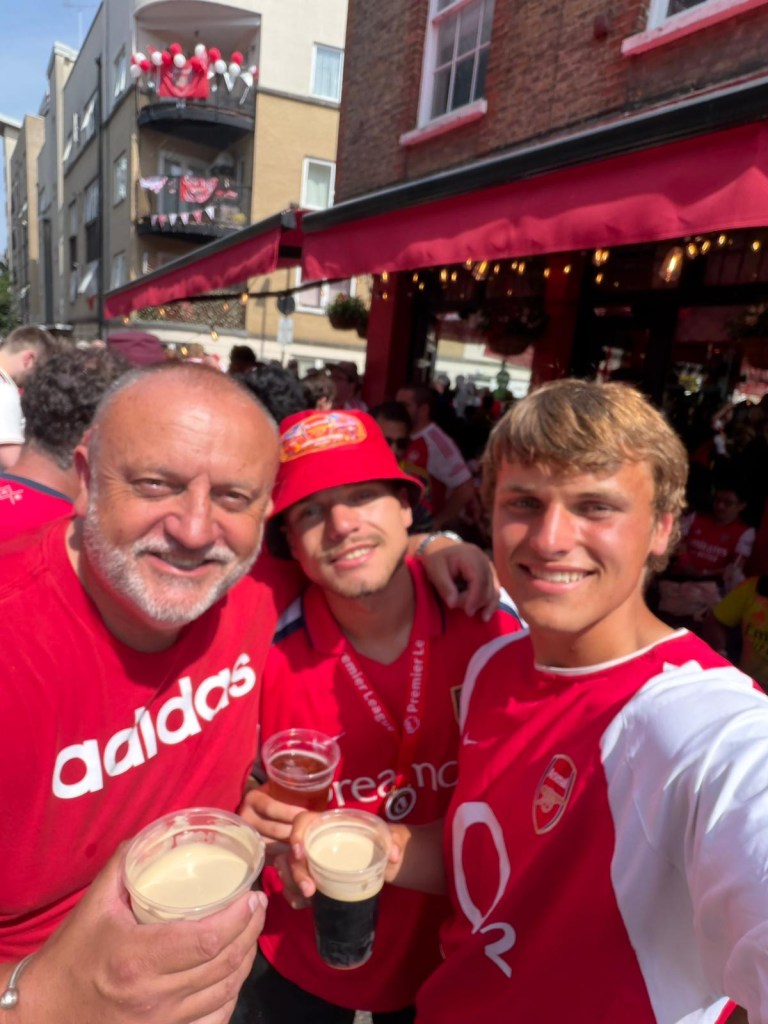
From the heartbreak of my Spanish club, Real Mallorca, getting relegated, I went to the euphoria of my English club, Arsenal, winning the Premier League. So my two sons and I decided to go to London to watch them play and then attend the trophy parade on the Sunday.

We had intended to go to Budapest for the final, but the cost of flights and hotels was off the scale. Something needs to be done about airlines and hotels profiteering whenever a major event comes to a certain city. How can a hotel that normally charges €100 for a room suddenly charge €1,000 for the exact same room on the night of the event? Remember, that’s a two-star hotel charging five-star prices, yet you’re still getting a two-star hotel room. You can guarantee that the same room will be back to €100 the following day. It’s wrong and should not be allowed to happen.

Anyway, we ended up in London and were in desperate search of a pub that hadn’t sold tickets the week before. There were hundreds of people on the streets all looking to do the same thing. We eventually found one called The George, just off Holloway Road.

The atmosphere was great: lots of banter, songs being sung, and plenty of drink being drunk! At £8.00 a pint, I’m sure the landlord was very happy.

I’m sure you know by now how the game went. Arsenal scored early on and PSG equalised in the second half from a penalty. In the end, penalties were the only way they could separate the two teams. They’re still searching for the ball from Gabriel’s penalty, which left PSG winning 4-3.

We went back to the hotel quietly, but knowing we still had the Premier League trophy parade on Sunday to look forward to.

We arrived at Finsbury Park on Sunday morning at around 11am and straight away you could see it was very busy. We decided to stay in that area rather than walk somewhere else. The crowd was around 30 people deep at the front at that point and getting deeper by the minute.

We then had approximately four hours to wait before the team bus was due to arrive. I don’t recommend hanging around for that amount of time with absolutely nothing to do. When the bus did arrive, it was a fleeting 20 seconds and most of it was lost beneath the red smoke filling the air from hundreds of flares being held aloft. Whoever’s clever idea that was hadn’t really thought it through properly.

And that was that — parade over.

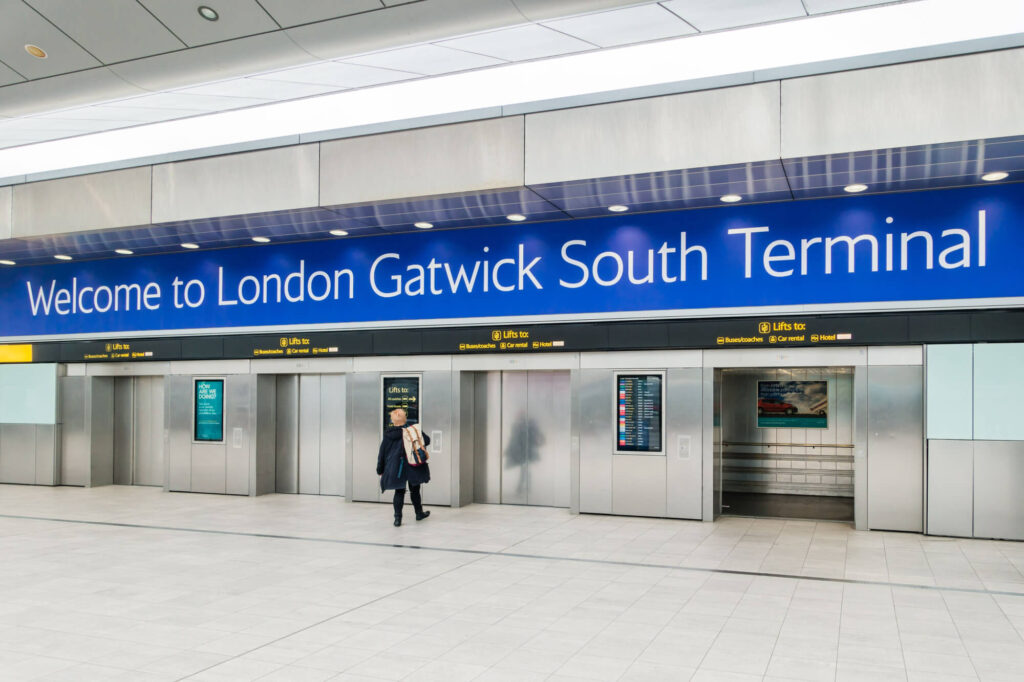
It was 3.30pm and we then had to make our way back to Gatwick for a flight due to leave at 9.00pm. Fairly routine, you’d think: the Tube and then the Gatwick Express from Victoria. But we hadn’t banked on the sheer disorganisation of Transport for London, the Metropolitan Police and, I’ll throw him in there too, the Mayor of London, Sadiq Khan.

We went to Finsbury Park Tube station, which was shut, with no announcements telling anyone what was actually happening. So I said, “Let’s walk to Arsenal station.” We got there and that was shut too. Onward we shuffled to Highbury & Islington station. There was a pattern developing here — closed.

A policewoman sent us to Angel station, which she assured us was definitely open… it was closed.

By this time I was looking at my watch thinking, “Are we going to make this flight?” Next stop on our magical mystery Tube tour was King’s Cross St Pancras. You’ve guessed it… CLOSED!

Eventually, due to crowd pressure, they opened the gates. We hot-footed it — which wasn’t a saying by the way — to Victoria and caught the train to Gatwick. We arrived at Gatwick at 7.30pm.

So a journey that would normally have taken just over an hour actually took four hours.

When we got airside, we were greeted by the departure screen delightfully informing us that we were delayed by an hour and a half. When we were eventually called to the gate, we arrived to find the other 21 people waiting in the queue. Yes, there were only 24 of us!

The plane then mysteriously developed a technical fault, which led me to believe we were spending the night at Gatwick. An €18 drinks voucher was given to us at midnight, which was gratefully received, but we had nowhere to spend it because everything had already shut.

At 02.00am we finally took off, with all of us having about six rows each to stretch out on. We arrived just as the alarms on my phone were telling me to wake up for my morning breakfast show on Wave Mallorca Radio!

Definitely a weekend to remember, and I’ll leave you with the words of Louis Dunford:

North London forever

Whatever the weather

These streets are our own

And my heart will leave you never

My blood will forever

Run through the stone!

Mallorca’s Transformation: From Party Island to Luxury Destination

Mallorca has, without doubt, changed dramatically since I first came here in 1990. The three-star bucket-and-spade, party-island image has become a thing of the past. Personally, I think it’s a positive move, and it shows that we haven’t stood still—we’ve reacted to what the market wants.

The transformation of Magaluf into a “quality over quantity” destination is reflected in recent data. Figures from 2025 provided by the town hall in Calvià suggest that 4- and 5-star hotels now account for 80% of the total hotel beds in the area.

Hotel chains such as Meliá, Iberostar, Fergus, and Zafiro have spent millions upgrading their properties. The quality of the bars, cafés, and restaurants—particularly along the seafronts of both Magaluf and Palma Nova—now, in my opinion, makes it a gastronomic must for people looking to eat out.

The newly built promenade along Magaluf Beach will be finished in May, enhancing one of Mallorca’s already top beaches to an even higher level. Let’s also remember that Nikki Beach, the world-renowned beach club brand, has a venue at the end of that beach.

I interviewed Gary Napier of Street Angels this week on the radio. They are a team of Christian volunteers who patrol the nightlife area of Magaluf, providing care and safety to partygoers during peak season. Gary said that their work has diminished quite dramatically over the last five years—but in a positive way—showing that the resort is changing for the better.

When you look across the island, you can see world-renowned hotel brands investing heavily. These include the soon-to-open Mandarin Oriental Punta Negra, alongside the St. Regis Mardavall in the south of the island; the Four Seasons resort in Formentor in the north; and Belmond La Residencia in Deià, as well as Jumeirah in Port de Sóller in the west.

These are just a few examples of the changes Mallorca is going through. I mentioned last time the huge €560 million investment in Palma Airport, and Palma is now among the top three European destinations for private jet traffic, frequently mentioned alongside Nice and Geneva.

I also read with interest this week that Jet2 has announced the launch of its first-ever business class layout on an aircraft. The aircraft is typically configured with 189 seats, but that has been reduced to 76. They expect it to be popular with their sports, music, entertainment, and specialist group customers, meeting demand for greater privacy and comfort.

The marinas are full of amazing yachts and motor yachts. In fact, as I step out of my apartment by Port Adriano, I can see the 58-metre masts of one of the world’s largest and most sophisticated sailing yachts, Maltese Falcon. The 88-metre (289 ft) superyacht is estimated to be valued at approximately US$75 million to over US$100 million, with annual running costs of US$4–8 million. Owned by Elena Ambrosiadou and built by Perini Navi in 2006, the vessel is renowned for its revolutionary DynaRig sailing system and is available for charter, often listed at approximately €490,000–€580,000 per week.

Through my concierge business, Priority Mallorca, I’m dealing with more and more clients from a wide range of countries. I’ve had enquiries from the United States, Canada, Singapore, Japan, and across Europe. This shows we are attracting more diverse markets—not just UK, German, and Spanish holidaymakers as before.

The more diverse we become, the better it will be for all of us.

Top Sporting Events in Mallorca for 2026


Mallorca’s sporting facilities are second to none. A whole array of sports, including football, tennis, cycling, swimming, and golf, to name just a few, have great places to play and train. Not only that, but we are also starting to attract more and more  prestigious sporting events to the island.

This includes the Mallorca Tennis Championships, a pre-Wimbledon men’s grass-court event. The event will return to Mallorca Country Club from the 20th to the 27th of June, continuing its tradition as the only ATP grass-court tournament in Southern Europe. One of the first confirmed players for 2026 is Australian star Nick Kyrgios, the sometimes controversial but crowd-pleasing player, who will compete in Santa Ponça.

In golf, the 2026 Road to Mallorca (HotelPlanner Tour) features a global schedule spanning 19 countries, beginning in South Africa in January and culminating in the Rolex Grand Final at Club de Golf Alcanada, Mallorca, from October 29th to November 1st. The tour offers 20 DP World Tour cards to top performers, with the final event featuring a €500,000 prize fund.

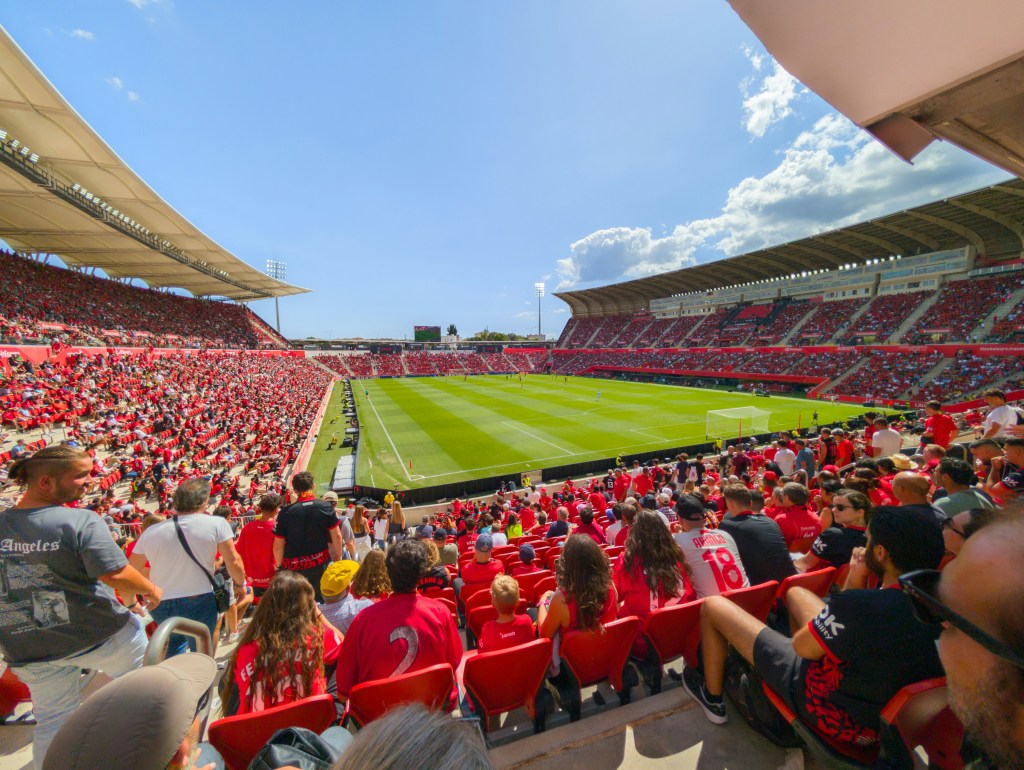
One of the events I’m particularly looking forward to is the Women’s World Cup qualifier between Spain and England—the current World Champions versus the current European Champions, or, as it is also known, La Roja v The Lionesses. This will take place at the Son Moix Stadium, the home of Real Mallorca, on Friday, June 5th.

It’s a great opportunity for tourists, expats, and Mallorquins to see two of the most successful teams in the world playing each other.

From a Spanish point of view, three key players in the current squad are from Mallorca.

Catalina “Cata” Coll, a goalkeeper, was born in Pòrtol. She previously played for Sant Marcel, Cide, Marratxí, and Collerense here on the island before being signed by Barcelona and sent out on loan to Sevilla. She is now back at Barcelona and, after recovering from a serious injury, has become Spain’s first-choice goalkeeper. While on the island, she trained at the Pablo Roca goalkeeping school, where my youngest son Jude has also trained with her.

Patri Guijarro, a midfielder, was born in Palma. She played for UD Collerense, and at the age of 17, she joined Barcelona, where she has remained ever since.

Mariona Caldentey, a forward, was born in Felanitx, where she began her career. She then played for Cide and Collerense before joining Barcelona in 2014. After winning numerous titles, she joined Arsenal in 2024.

From a tourist and expat perspective, it will also be a chance to see the England team in action, including Hannah Hampton, Leah Williamson, Keira Walsh, Lauren James, and Chloe Kelly.

Women’s football has never been stronger, and here on the island, it is starting to thrive. More and more teams are emerging, with Atlético Baleares leading the way by competing in the second-highest division in Spain.

It’s disappointing to see that the club hosting this huge game doesn’t actually have a women’s team. Real Mallorca, since being taken over by its American investors, has done some amazing things for the island. Hopefully hosting this game will prove to them that it is time they invested in a female team. 

Tickets for the game will be sold by the RFEF (the Spanish Football Federation) and, at the time of writing, have yet to go on sale.

Travel Habits Changing: The Impact of Rising Airport Fees

Over the Christmas and New Year break, when you have too much free time on your hands, I find myself doing things I wouldn’t normally do. Facebook and Instagram are platforms I use on a daily basis in my working life, but X — or Twitter in old money — I rarely use. However, when I have time, I find myself going down a rabbit hole of scrolling and commenting on some of the absolute rubbish that people write. I know I should just leave it alone, but sometimes I can’t help myself.

While we were away, we discovered that we needed to get Jude, our youngest, back for a game of football and training. If we had known beforehand, then maybe we wouldn’t have gone, but we had already booked four days away to see family and friends. Luckily, we were staying with some friends near Gatwick Airport, so we booked him an early-morning flight from there. I took the liberty of checking whether there was a charge to drop someone at the airport, as I knew that Luton — where we had flown from — charged £7.00. I couldn’t believe it when I read that they had put their charge up from £7 to £10.00!

So, of course, I decided to send a tweet to the airport:

How does @Gatwick_Airport substantiate a £10 drop-off charge when my @easyJet flight in January costs €19? #ripoffbritain

Within minutes, I got a reply from the airport:

Hi, while we will be increasing our drop-off charge from £7 to £10, passengers can be dropped off for free in our long-stay car parks, with a free shuttle bus to the terminal. Blue Badge holders remain exempt from the charge. The drop-off charge helps to limit the number of cars, reduce congestion, and fund a number of sustainable transport initiatives. It also plays a role in encouraging more passengers and staff to use public transport to reach the airport. Thanks, Grace

Then came the pile-on, with loads of comments mainly chastising the airport for what is basically a money grab. For a few hours, I actually went viral, which was fun. But the more serious side of me focused on the attitude of UK airports towards their passengers arriving at the airport.

London City: £13.00 (10 mins)

Heathrow: £7.00 (10 mins)

Manchester: £6.40 (10 mins)

Glasgow: £6.00 (10 mins)

Belfast: £3.00 (10 mins)

Cardiff: £3.00 (10 mins)

Compare that to some of the major airports around the world:

Palma: Free 

Paris (CDG, Orly): Free

Madrid (Barajas): Free

Frankfurt: Free

Barcelona: Free

New York JFK: Free

Dubai: Free

Seamus McCauley, Head of Public Affairs at Holiday Extras, commented:

“Airport drop-off fees have quietly become one of the fastest-rising costs of going on holiday. What used to be a quick goodbye can now cost up to £10 — and that’s before you factor in fines if it takes a little longer than anticipated.”

According to a new report, because of the financial squeeze in the UK, several long-standing travel habits are quietly being ditched this year. From packing techniques to what travellers get up to once they are inside airports, there are plenty of changes being made.

The biggest behaviour being dropped is holidaymakers no longer drinking and dining as much in airports. For some, an airport pint or a full English is the perfect fuel before a flight, but it appears this might not be as popular anymore. Rising prices and the overall cost of living mean more people are packing permitted snacks in their hand luggage to cut expenses and avoid buying food and drink at airports.

As for what travellers are putting in their bags, this has changed too. Passengers are now less likely to overpack, with many leaving the bad habit behind to avoid extra charges and baggage fees. Low-cost flights still exist, but by the time you’ve added on the extras, they aren’t anywhere near the price advertised. It’s mad that an airport drop-off, a bag that doesn’t fit the airline’s sizer, or even a caramel macchiato can actually cost more than a flight.

The travel industry needs to make sure it doesn’t price itself out of the market.

Sant Sebastià 2026: A Festival of Music and Tradition in Mallorca

Spain is widely known for its tradition of fiestas. A fiesta in Spain is a vibrant festival or celebration, often rooted in religious holidays honouring saints or commemorating historical events, but also encompassing cultural, seasonal, or modern parties. These celebrations typically feature music, parades, food, fireworks, and unique local traditions.

The patron saint of Palma de Mallorca is Saint Sebastian (Sant Sebastià), a Roman soldier martyred for his faith. His feast day is celebrated with major festivities in the city in the middle of January featuring concerts, bonfires, and traditional parades such as the Correfoc. He became the city’s patron after his relic was brought to the Cathedral, coinciding with the end of a plague and symbolising protection against epidemics.

This Friday, January the 16th the Crystal Fighters take to the stage in Plaça d’Espanya. They are an English-American electronic music band formed in London in 2007. Known for their explosive fusion of electronic music, folk influences, and festival energy, the band promises one of the international highlights of this year’s programme. Their Instagram says they are excited to start the New Year together with a free concert for all. 

On Saturday, January the 17th, the now-popular tardeos will spread across Plaça del Rei Joan Carles I and Plaça Major, with DJ sessions and live performances aimed at a broad audience. It’s a format that continues to grow in popularity, perfect for enjoying music during the afternoon while soaking up the atmosphere of Palma’s city centre.

Everything will culminate on January the 19th with the Revetla de Sant Sebastià, when simultaneous concerts will take over multiple city squares. Urban music and electrolatino will dominate Plaça d’Espanya, local talent and tradition will shine in Plaça Major, Catalan pop and Balearic sounds will fill Plaça del Rei Joan Carles I, and rock history will resonate in Plaça de Cort.

All in all, Sant Sebastià 2026 is shaping up to be a celebration marked by diversity, blending generations, traditions, and musical styles into a vibrant cultural offering that once again places Palma’s streets at the heart of the party.

Mallorca’s Tourism Strategy: Diversification and Sustainability Goals

This past week has seen the World Travel Market in London, where the great and the good of the travel world descend on the Excel Centre to showcase their wares. Mallorca focused on diversification and sustainability as the new buzzwords, while the Government continues to fend off questions about tourismphobia.

There are three main travel markets in Europe: the WTM in London in November, Fitur in Madrid in January, and the ITB in Berlin in March. The majority of Mallorca’s tourist numbers come from three countries:

Germany: The largest single source market for tourists in Mallorca, accounting for around 40% of total tourist traffic. In 2024, estimates suggest over 5 million German visitors. Reports indicate that this year there has been a decrease in the number of German tourists.

United Kingdom: The second-largest market, typically making up around 26% of visitors. In 2024, there were an estimated 3.58 million British tourists. Reports suggest that the British helped save the summer season this year, with a slight decline in visitor numbers in July and August but a significant increase in September.

Spain: Domestic tourism from mainland Spain is also a key market, with approximately 1.8 million visitors estimated in 2024.

We are starting to see more and more visitors from other countries. In my concierge business, I have met and spoken with people from the USA, France, Italy, Austria, Scandinavia, the Netherlands, Iraq, and Singapore. Next year, we are expecting flights from Canada, Abu Dhabi, and possibly South Africa.

For me, it is fundamental that we are represented at these travel markets. I often see comments online such as, “Why are we going when we’re always full?” and “Do we really need to spend this money?”

Marketing is crucial for sustainable growth — not just for attracting more visitors. It helps draw in a higher-spending demographic, which is something the Government is keen to encourage. It also helps spread tourism throughout the year and attracts people interested in different types of activities, helping to manage and reduce pressure during peak times. In addition, it can attract tourists with different needs and preferences, which in turn diversifies the local economy and ensures long-term stability.

Not being represented may not have a noticeable effect on tourism numbers in the short term, but you can be sure that in the long term, we would start to suffer. Competition among destinations is increasing, and according to the organisers of the WTM, London 2025 is expected to be the largest event in its 45-year history. Early indicators show significant growth, surpassing the more than 4,000 exhibitors from 2024, with an 8% increase expected.

Let’s be clear: tourism accounts for approximately 45% of Mallorca’s GDP, making it the island’s primary economic driver. The sector’s total impact is even greater, with analyses suggesting it influences up to 90% of the island’s economy through indirect effects on other industries. Most of us have a family member or friend who works in tourism.

Sustainability will be a vital part of our tourism strategy in the coming years. One change I would make immediately is to the tourist tax — I would charge a fixed fee all year round for every traveller.

At the moment:

• Under-16s don’t pay.

• Rates vary depending on the type of accommodation.

• There’s a 50% reduction if you stay longer than nine nights.

• It’s discounted during the low season.

Let’s be in no doubt: the island’s beauty must be maintained for generations to come — but we should also be proud of what we have. I’ve said it before, and I’ll keep saying it:

We are a beautiful island of contrasts — from the stunning beaches in the north to the mountains of the west, the caves and coves of the east, and the bustling nightlife of the south. There is something here for absolutely everyone.

If ever there was a destination built for tourism, it’s our island. It hasn’t been one of the most popular islands in the world for the past 50 years for nothing. In my opinion, it remains one of the best places to live and one of the best holiday destinations anywhere.

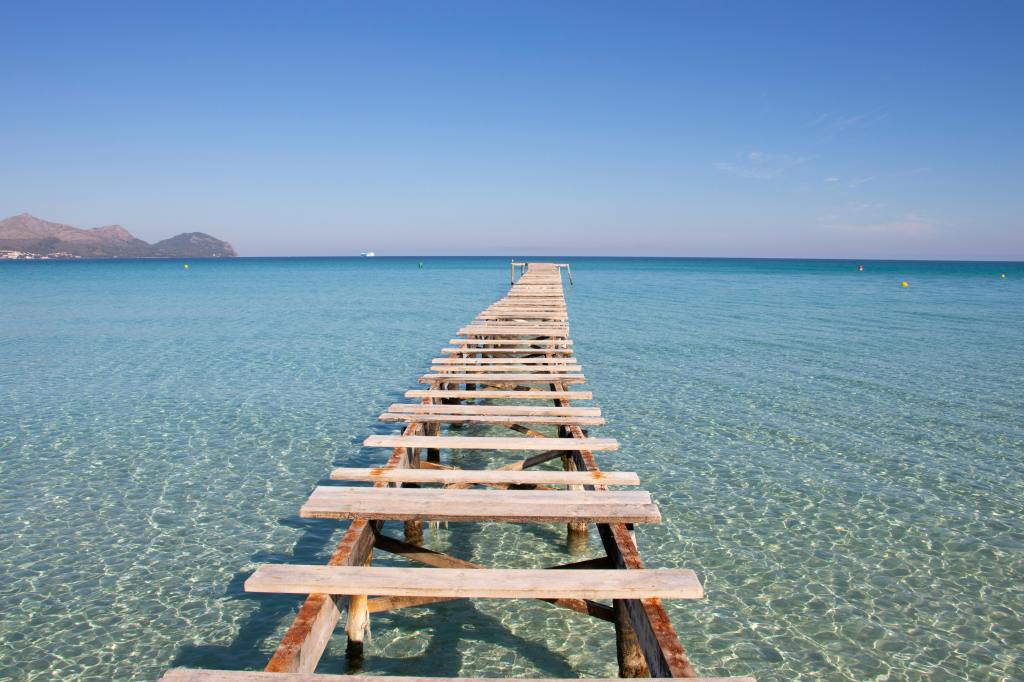
We can boast turquoise-blue waters, secret coves, soft golden sands, lush green landscapes, rugged mountains, picturesque villages, amazing cuisine, an up-and-coming wine industry, vibrant nightlife, and a lively capital city. And we’re just a couple of hours’ flight from most major European cities — right in the heart of the Mediterranean.

As someone who lives and works here, I see Mallorca’s magic every single day — in the people, the landscapes, and the memories our visitors take home. If we can combine smart marketing with genuine care for our environment and communities, I have no doubt that Mallorca will continue to shine as the jewel of the Mediterranean for decades to come.

Discover Mallorca: An Emerging International Destination

Mallorca is developing more and more into an international destination, and with that, more opportunities are becoming available to those of us living and working here. The truth is, why would you not want to come here?

We are a beautiful island of contrast, from the stunning beaches in the north to the mountains of the west, the caves and coves of the east, and the bustling nightlife of the south. There is something for absolutely everyone.

If ever there was a destination built for tourism, it is our island. It hasn’t been one of the most popular islands in the world for the last 50 years for nothing. In my opinion, it remains one of the best places to live and one of the finest holiday destinations. We can boast turquoise-blue waters, secret coves, soft golden sands, lush green foliage, rugged mountains, picturesque villages, amazing cuisine, an up-and-coming wine industry, a lively nightlife scene, and a vibrant capital city. We’re also an island in the Mediterranean, just a couple of hours’ flight from most European cities.

Palma Airport, which is Spain’s third busiest, is currently undergoing a €559 million expansion and modernization by its owner, AENA. The project began in 2022 and is expected to be completed by the end of 2026. Its purpose is to improve the airport’s passenger-friendliness, efficiency, and sustainability.

One thing that is changing is the increasing number of direct flights arriving from outside of Europe. It used to be that anyone coming from further afield had to visit us via Madrid, Barcelona, or another European city. Since the pandemic and around the start of the airport expansion, things have started to change. In June 2022, a direct flight from New York to Palma began operating, and its frequency has increased every year. From June 17th to October 24th, 2026, Air Canada will launch a direct flight between Montreal and the island, and Etihad Airways has officially announced that it will begin direct flights between Abu Dhabi and Mallorca starting June 12th, 2026, running through to mid-September. This will be the first-ever direct connection between the UAE and Mallorca, and currently the only direct air link between Asia and the island — a landmark moment in Mallorca’s international connectivity.

Not only are all these connections great for the island but let’s remember we now have the opportunity to travel to these destinations for either business or pleasure. Making it a win-win situation.

Friends of mine in the wedding industry here on the island tell me that since the flights from New York began, there has been a steady increase in American couples getting married here. Friends in the property world also say that more and more foreign buyers are being lured to the island because of its beauty and great connectivity.

Not only is this good for business here but this also has a knock-on effect on many third-party businesses that may not be directly involved in these industries but will benefit from their growth.

I see all of this as positive, but I also understand that the sustainability aspect needs to be seriously looked at and addressed in a constructive way. We need to continue working to extend our seasonality. A 12 month year round Mallorca is far more appealing then a 6 month one and it could well lighten the load on the summer months. I see this slowly moving in the right direction, and we need to look at how we can better cope during the busiest months of the year, July and August. For Mallorca to become a year-round destination, we all need to work harder during the shoulder months to achieve this. Don’t listen to the naysayers who constantly say it can’t be done — Magaluf is now a perfect example of how positive change can happen. Keep those glasses half full!

Ryanair’s New Baggage Rules: What Travelers Need to Know

My last column, writing about Ryanair and the possibility of them setting up a tour operator, got some really good feedback — so thank you for that. Ryanair is a story that keeps on giving, and these past two weeks have been no exception.

They have introduced new baggage rules which, to be honest, won’t make much of a difference. I imagine I’ll just be able to bring back a few more tea bags than I did before. They have increased the maximum size of the so-called “personal item” (to be stored under the seat) from 35x20x20cm to 40x25x20cm. This is the standard allowance for all passengers. If you want to bring a larger wheelie case, you must pay for priority boarding, which includes one larger cabin bag (55x40x20cm) and a second smaller item that can be stored in the overhead locker. Don’t you just love it when the priority boarders have to get on the same bus to the airplane as the rest of us in cattle class — or is that just me?

I wish all airlines would agree on a standard size for cabin baggage. It’s very confusing. When you arrive at the gate there are so many different baggage sizers. Take a look at the photo above — and that’s only four airlines.

Ryanair will no doubt have their pack of hyenas at the gates, doing their best to ruin the start of your flight. I think some of them take pleasure in causing that misery. To make matters worse, they have increased their staff incentive programme to catch people out — from €1.50 to €2.50. This bonus used to be capped at €80 per month per person, but this has now been removed, which means they can earn as much as they want. Be warned!

I still laugh that they charge you a €45 administration fee to change a flight. I have no problem with being charged the difference between the flight I booked and the flight I am changing to. What I do object to is the so-called “admin fee.” Why? Because you actually do the admin yourself! At this rate, I’ll be charging myself for an oversized bag if I’m not careful.

They’ve also been in the news this week after apparently dropping one million seats from Spanish airports for the upcoming year. I’m led to believe that the rise equates to €0.68 per passenger. AENA, the company in charge of most of Spain’s airports, has said that it’s a 6.62% year-on-year rise. AENA also points out that Ryanair has raised its fares by 21% in the past year. Whilst this is a game of poker, it will be interesting to see if either side folds. My guess is that the routes Ryanair has dropped are their least profitable or loss-making ones and therefore won’t have a significant effect on their bottom line.

My friend and fellow podcaster Martin Makepeace, from our Talking Balearics podcast, loves Ryanair. He always books seat 17F — by the window, with legroom. Mind you, he is 6’7”, so he needs as much help as he can get!

As you can probably tell from the above, I’m not a fan. Will it stop me booking a flight with them if it’s the cheapest around? Probably not. And if any of those hyenas come snooping around, I’ll stick my bag where the sun doesn’t shine!