Over the Christmas and New Year break, when you have too much free time on your hands, I find myself doing things I wouldn’t normally do. Facebook and Instagram are platforms I use on a daily basis in my working life, but X — or Twitter in old money — I rarely use. However, when I have time, I find myself going down a rabbit hole of scrolling and commenting on some of the absolute rubbish that people write. I know I should just leave it alone, but sometimes I can’t help myself.
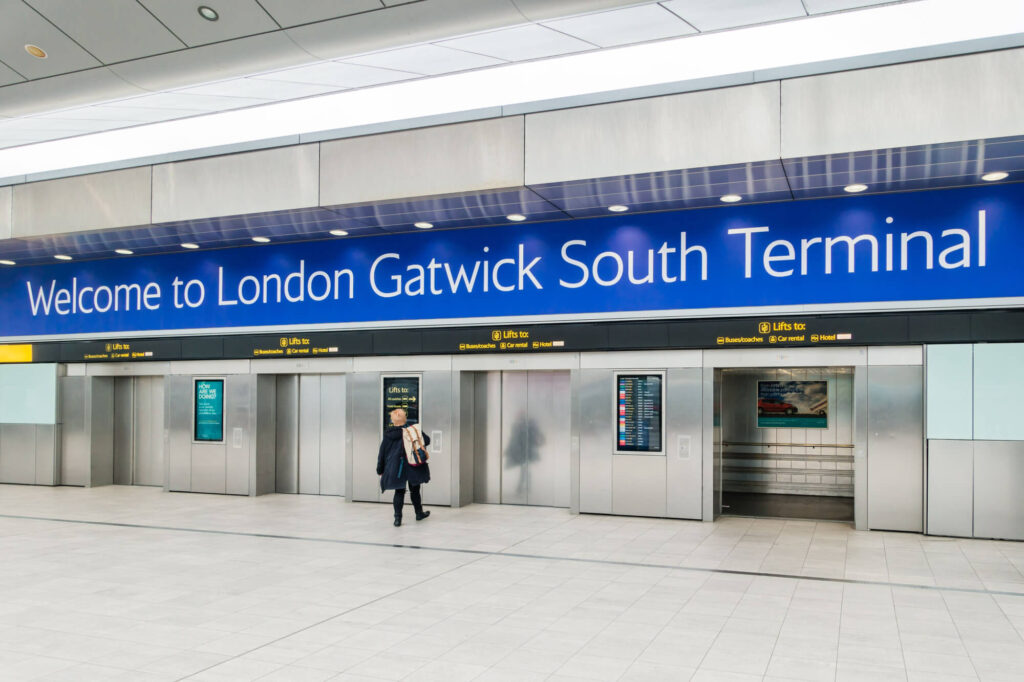
While we were away, we discovered that we needed to get Jude, our youngest, back for a game of football and training. If we had known beforehand, then maybe we wouldn’t have gone, but we had already booked four days away to see family and friends. Luckily, we were staying with some friends near Gatwick Airport, so we booked him an early-morning flight from there. I took the liberty of checking whether there was a charge to drop someone at the airport, as I knew that Luton — where we had flown from — charged £7.00. I couldn’t believe it when I read that they had put their charge up from £7 to £10.00!
So, of course, I decided to send a tweet to the airport:
How does @Gatwick_Airport substantiate a £10 drop-off charge when my @easyJet flight in January costs €19? #ripoffbritain
Within minutes, I got a reply from the airport:
Hi, while we will be increasing our drop-off charge from £7 to £10, passengers can be dropped off for free in our long-stay car parks, with a free shuttle bus to the terminal. Blue Badge holders remain exempt from the charge. The drop-off charge helps to limit the number of cars, reduce congestion, and fund a number of sustainable transport initiatives. It also plays a role in encouraging more passengers and staff to use public transport to reach the airport. Thanks, Grace
Then came the pile-on, with loads of comments mainly chastising the airport for what is basically a money grab. For a few hours, I actually went viral, which was fun. But the more serious side of me focused on the attitude of UK airports towards their passengers arriving at the airport.
London City: £13.00 (10 mins)
Heathrow: £7.00 (10 mins)
Manchester: £6.40 (10 mins)
Glasgow: £6.00 (10 mins)
Belfast: £3.00 (10 mins)
Cardiff: £3.00 (10 mins)
Compare that to some of the major airports around the world:
Palma: Free
Paris (CDG, Orly): Free
Madrid (Barajas): Free
Frankfurt: Free
Barcelona: Free
New York JFK: Free
Dubai: Free
Seamus McCauley, Head of Public Affairs at Holiday Extras, commented:
“Airport drop-off fees have quietly become one of the fastest-rising costs of going on holiday. What used to be a quick goodbye can now cost up to £10 — and that’s before you factor in fines if it takes a little longer than anticipated.”
According to a new report, because of the financial squeeze in the UK, several long-standing travel habits are quietly being ditched this year. From packing techniques to what travellers get up to once they are inside airports, there are plenty of changes being made.
The biggest behaviour being dropped is holidaymakers no longer drinking and dining as much in airports. For some, an airport pint or a full English is the perfect fuel before a flight, but it appears this might not be as popular anymore. Rising prices and the overall cost of living mean more people are packing permitted snacks in their hand luggage to cut expenses and avoid buying food and drink at airports.
As for what travellers are putting in their bags, this has changed too. Passengers are now less likely to overpack, with many leaving the bad habit behind to avoid extra charges and baggage fees. Low-cost flights still exist, but by the time you’ve added on the extras, they aren’t anywhere near the price advertised. It’s mad that an airport drop-off, a bag that doesn’t fit the airline’s sizer, or even a caramel macchiato can actually cost more than a flight.
The travel industry needs to make sure it doesn’t price itself out of the market.

 Dad Taxi Mallorca