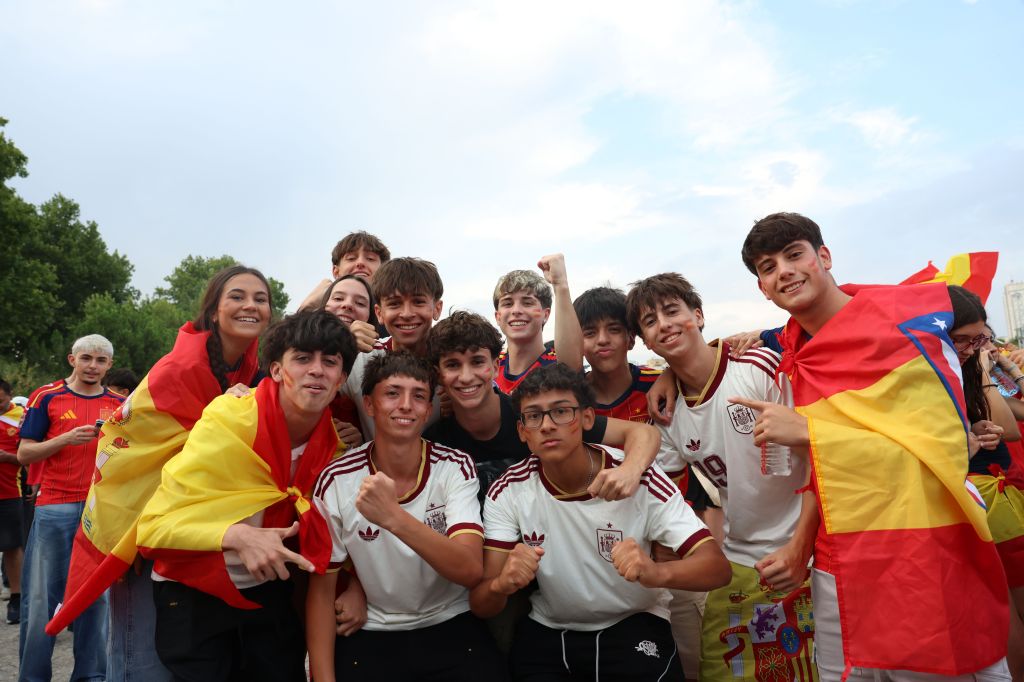
World Cup 2026: Surprising Performances from Small Teams

Quite a lot of people thought that the increase in teams at the World Cup would mean more boring games and that the smaller nations would struggle to get results. Happily, I’m pleased to say that, so far, that has not been the case. Granted, Germany thrashed Curaçao 7-1, but when the minnows equalised in the 21st minute to make the score 1-1, I was jumping off my sofa.

Probably the best example so far of a smaller team holding their own against a larger nation was Spain v Cape Verde last Monday. Remember, I picked Spain as my favourites to win the competition last week. I should have said that they are slow starters and normally grow into a tournament. Let’s hope I’m not wrong!

Cape Verde, or Cabo Verde, is located 500km off Africa’s west coast and is a ten-island archipelago with an estimated population of 520,500 residing on nine of those islands. People talk more about it as a holiday destination than as a hotbed of football, so in reality they shouldn’t have stood a chance.

Spain are the current European champions, with 15 members of their squad having won a trophy this past season, and in Lamine Yamal they have a possible Player of the Tournament.

In the game itself, Spain unsurprisingly dominated, completing over 800 passes and registering 27 shots at goal. Unfortunately for La Roja, they came up against a goalkeeper who had an absolute worldie.

I guarantee that nobody out there had heard of the Cape Verde goalkeeper, Josimar José Évora Dias, widely known by his nickname, Vozinha, before the game. But you can be sure millions do now. He is 40 years of age and plays in the Portuguese second division for a team called Chaves. His performance saw him pull off a string of outstanding saves that totally frustrated the Spanish team. Before the game, as I said above, he was a complete unknown with 20,000 followers on Instagram. At the time of writing, just three days later, he now has 13 million followers! Luckily for Spain, Uruguay and Saudi Arabia, who are in the same group, drew their game too, so it’s all to play for. I still expect Spain to come through as group winners. Next up for Spain is Saudi Arabia on Sunday at 18:00.

From Spain’s frustration we move to England’s exhilaration. Sixty years of hurt, and every tournament we hope it’s going to be our turn. My whole lifetime, as I was born in 1966, we’ve suffered countless heartbreaks. That’s why I said last week that my heart says the winners will be England, while my head says it will be Spain. But in Thomas Tuchel, England have a ruthless winner who has, without doubt, been brought in to win the competition. Croatia have delivered some of those heartbreaks in the past. In 2007 they knocked us out in the qualifiers for the European Championships, and in 2018 they beat us in the semi-finals of the World Cup in Russia.

The first half on Wednesday night was a mirror image of how England normally perform. There were flashes of great attacking ability, with Kane scoring twice, but they were let down by some poor defending. It was a great game for the neutral, but for us England fans, as usual, it was nerve-racking. We went into half-time all square at 2-2.

Without doubt, Tuchel gave the team a rocket at half-time, and they produced a stunning second-half performance. Jude Bellingham silenced his critics with a barnstorming run and finish to make it 3-2. Then, in the closing moments, substitutes Saka and Rashford combined to make it 4-2 and complete a very satisfying second-half performance.

A great start for England, but let’s keep a lid on the celebrations and simply be happy that we’ve started well. There’s a long way to go yet, but it’s certainly a promising start.

Next up for England is Ghana next Tuesday at 22.00.

Nostalgia of Collecting Panini Stickers During World Cups

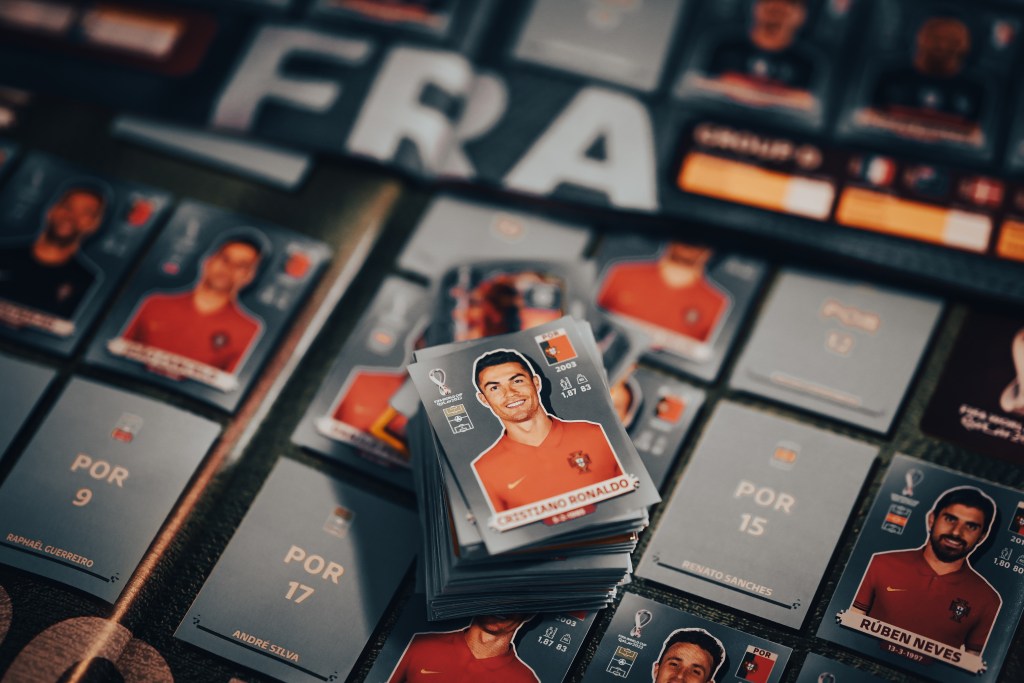
The FIFA World Cup is upon us and, as ever, Panini has marked the occasion with a sticker album featuring the players of all 48 competing nations. The tournament, hosted by Canada, Mexico and the United States, kicked off in Mexico City last week and concludes in East Rutherford on July 19.

The first World Cup I can remember was in 1974 in Germany, when the host nation defeated Holland 2-1. It was also the time I was introduced to Panini and its sticker albums. I think the album came free with a magazine called Shoot!, a football magazine, of course, that I bought religiously every week. They used to throw in a couple of free packs to get you going and whet your appetite.

I remember going to school with a mountain of stickers I already had in order to swap them with other boys. The playground was full of boys shouting, “Got it, got it, got it, need it!” When you got to a “need it”, you then had to negotiate with the boy who had the sticker you needed. This is where you found out who the budding salesmen were and who you could do an easy deal with.

“I’ll swap you these 30 cards for that Peter Lorimer card.”

There were certain cards that were so difficult to get hold of that, if you wanted to fill your album, the more desperate you became. I remember that Peter Lorimer, of Scotland and Leeds fame, was one of those rare cards. The packets used to cost 3-4p and each contained four stickers, while there were 400 stickers to collect.

Panini, of course, weren’t daft. They obviously didn’t print the same number of stickers for each player, making you spend more to finish your album. An unopened pack of stickers from 1974 can fetch between £80 and £150 at auction, while a completed album can sell for anywhere between £500 and £1,500.

Now, the kids — and big kids — of today have begun collecting stickers of their favourite players, including those of England and Scotland, in a bid to complete the album.

Each packet of seven stickers costs collectors £1.25, and there are almost a thousand in total to find.

The thought of completing the set prompted one England fan to calculate how much the task could cost. And brace yourself, because it’s a lot.

The fan explained that this year’s tournament is the biggest ever, featuring countries that have never qualified before, including Uzbekistan, Cape Verde, Curaçao and Jordan. And, of course, more nations means more stickers.

“Each team has 20 stickers, so 48 times 20 equals 960 stickers just for the teams,” the fan continued. “And then there are a few extras, such as the official emblem — ones you’re not actually interested in but need to collect — and then there’s a history section, so all in all there are another 20, making 980 stickers in total.”

The fan then calculated that £1.25 packets, divided by seven, work out at 17.8p per sticker. So, presuming the collector miraculously obtains no duplicates, 980 unique stickers would cost around £175.

Writing in response, one former collector said: “The last time I got one of these was in 1990. I didn’t even have half the book filled, and I was getting more duplicates than stickers I needed. I didn’t have anyone to swap with like you would at school. There is no way you are filling that for less than a grand.”

Football finance expert Kieran Maguire, meanwhile, claims that completing the sticker album is likely to cost much more.

“At an estimated price of £2 for seven Panini stickers for the 2026 FIFA World Cup, it works out at approximately £2,030 to fill the 980-sticker album unless you swap with other collectors,” he said on X.

Without doubt, it’s as great a money-maker for Panini today as it was when I was at school. Luckily for me, my two boys have grown out of the habit.

World Cup 2026 Predictions: Who Will Win?

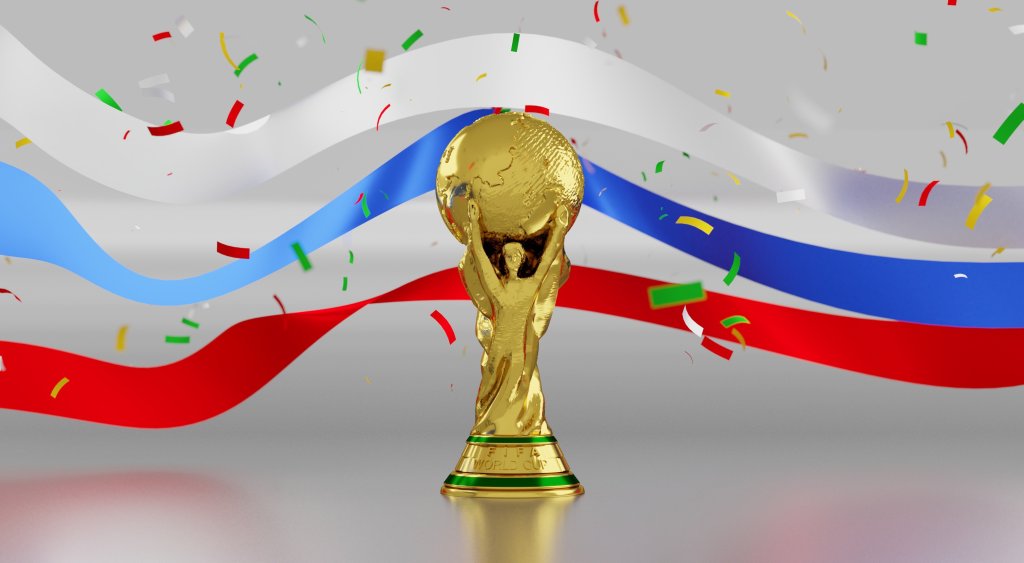
There are 48 countries competing in this year’s World Cup finals in the USA, Canada and Mexico, so trying to find a winner has become more difficult than ever. Although only eight nations have ever lifted the Trophy: Brazil (5), Italy (4), Germany (4), Argentina (3), France (2), Uruguay (2), England (1) and Spain (1).

You would probably deduce that the winner will come from one of these teams. However, I’m going to add one dark horse that may have a chance, and that is Portugal.

Italy, somewhat surprisingly, did not qualify, so that rules them out. I can’t make a case for Uruguay and, although they always seem to do well in tournament football, I’m ruling out Germany as well. Brazil have a coach in Carlo Ancelotti who is widely considered to be one of the most successful and decorated football managers in history, holding several unmatched milestones across European and international football. However, I don’t think his team is good enough.

That leaves Argentina, France, England and Spain. Interestingly, if the results go the way the experts predict, these will be the four semi-finalists.

My heart will always say England and, in Thomas Tuchel, we have an elite manager. But after 60 years of hurt, I still can’t see us getting over the line.

Argentina are the holders, and their coach, Luis Scaloni, lives in Mallorca. However, Messi is well past his best and I can’t see them retaining their crown.

So that leaves France and Spain. It’s very difficult to separate these two, but if I really had to choose, I’m going for my adopted country, Spain.

The current European champions have a team full of winners who, importantly, won’t be fazed by the heat. When I say winners, I mean players who have been successful in their domestic leagues this season and should be bringing that form into the World Cup.

Raya, Merino and Zubimendi all won the Premier League with Arsenal. García, Torres, Gavi, Olmo, Yamal, Pedri and Cubarsí all won La Liga with Barcelona. Ruiz won Ligue 1 and the Champions League with PSG. Rodri won the League Cup and FA Cup with Manchester City. Oyarzabal won the Copa del Rey with Real Sociedad, and finally, Pino won the Conference League with Crystal Palace.

That’s 15 players out of a squad of 26 who have already won something this season.

The most surprising thing about the Spanish team is that there is not one player from Real Madrid. You can understand why, as they haven’t won anything in the last two seasons.

The goalkeeping position will be interesting, as all three goalkeepers are world-class and it’s difficult to separate them. However, Spanish head coach Luis de la Fuente heavily favours Unai Simón as his undisputed first-choice goalkeeper. Despite stellar seasons and Golden Glove awards for David Raya (Arsenal) and Joan García (Barcelona), De la Fuente has consistently backed Simón, the starter from Spain’s UEFA Euro 2024 triumph.

The defence could well be their weak link, in my opinion, but their midfield and attack are outstanding. In Lamine Yamal, Barcelona have a genuine star who could become the player of the tournament.

Barring injuries, I expect them to line up in a 4-3-3 formation:

Goalkeeper: Unai Simón (Athletic Bilbao)

Defence: Marcos Llorente (Atlético Madrid), Aymeric Laporte (Al Nassr), Pau Cubarsí (Barcelona) and Marc Cucurella (Chelsea)

Midfield: Rodri (Manchester City), Pedri (Barcelona) and Fabián Ruiz (PSG)

Forwards: Lamine Yamal (Barcelona), Mikel Oyarzabal (Real Sociedad) and Nico Williams (Athletic Bilbao)

Whilst I would love the Three Lions to roar again, my tip is for La Roja to be triumphant on the 19th of July. 

RCD Mallorca Relegated: A Season of Heartbreak

Heartbreak for RCD Mallorca last night as they were relegated from La Liga to Segunda División. Mallorca did their job, beating an already relegated Real Oviedo 3-0, but results elsewhere meant they went down based on their head-to-head record against other teams. When exactly two teams are tied, the league separates them using the matches played only against each other.

The league table doesn’t lie and, in truth, Mallorca went down for a few reasons. In the first half of the season, they just weren’t good enough, and they took too long to replace coach Jagoba Arrasate. They finished seventh in the league based on their home form; where they struggled was away from home, finishing 19th in the away table and winning only two games on the road. The new coach, Martín Demichelis, got the team playing again, but they lost two of their last three games, and that was enough to send them down.

Mallorca finished on 42 points, and in most seasons that would be enough to stay up, but it was so tight that Getafe CF, who qualified for Europe in seventh place, finished just nine points ahead.

One of the positives to come out of the season was Vedat Muriqi, who scored 23 goals and finished second in the “Pichichi”, Spain’s Golden Boot award, behind Kylian Mbappé of Real Madrid CF. The question now is whether they can hang on to him.

After five straight seasons in La Liga, Mallorca must now rebuild and look for promotion back to the top division. I hope they can keep the majority of the squad together.

Players out of contract are Takuma Asano, Omar Mascarell, Javier Llabrés and Iván Cuéllar. Players on loan are Marash Kumbulla, Luvumbo and Mateu Joseph. Conversely, players currently out on loan who will return are Leo Román Domenech, Cyle Larin and David Luna.

The lack of TV money will undoubtedly lead to players leaving. In La Liga, top teams like Real Madrid CF and FC Barcelona pull in €155 million to €160 million per season. Mid-table or lower teams generally secure around €40 million to €50 million.

In Segunda División, most sides earn roughly €6 million to €8 million. The only clubs that cross the €15 million to €22 million mark are recently relegated teams, who receive heavily subsidised payouts from a shared compensation fund (parachute payments) to ease their transition.

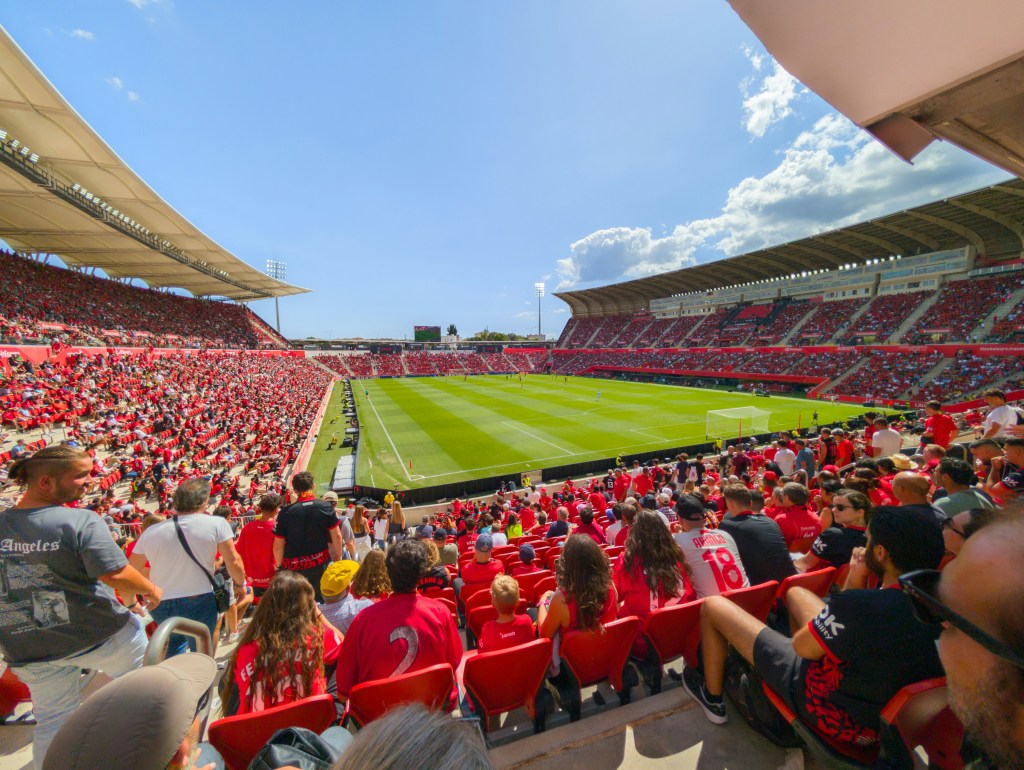
Criticism has been levelled at the club and its directors over the direction the club has taken. You could say there has been too much focus on the non-footballing side and not enough on the core business. The stadium is of a very high standard, with lots of corporate opportunities, conference facilities, a sports clinic and a sports café, but when your team on the field doesn’t match your facilities off it, there is a problem.

Is there a Premier League team this scenario reminds you of?

We now have a La Liga stadium with a team playing in Segunda División.

I can’t stress enough how important it is for Mallorca to return to La Liga next season. It’s great for tourism, as people do visit the island to watch football. It’s great for those of us who live here to see teams such as FC Barcelona and Real Madrid CF play live. Finally, it’s great for youth football on the island. Having a team playing in La Liga is aspirational for all of our young footballers.

The one positive I can draw from this sorrowful tale is that season tickets will be cheaper next season.

Visca Mallorca!

Top Sporting Events in Mallorca for 2026


Mallorca’s sporting facilities are second to none. A whole array of sports, including football, tennis, cycling, swimming, and golf, to name just a few, have great places to play and train. Not only that, but we are also starting to attract more and more  prestigious sporting events to the island.

This includes the Mallorca Tennis Championships, a pre-Wimbledon men’s grass-court event. The event will return to Mallorca Country Club from the 20th to the 27th of June, continuing its tradition as the only ATP grass-court tournament in Southern Europe. One of the first confirmed players for 2026 is Australian star Nick Kyrgios, the sometimes controversial but crowd-pleasing player, who will compete in Santa Ponça.

In golf, the 2026 Road to Mallorca (HotelPlanner Tour) features a global schedule spanning 19 countries, beginning in South Africa in January and culminating in the Rolex Grand Final at Club de Golf Alcanada, Mallorca, from October 29th to November 1st. The tour offers 20 DP World Tour cards to top performers, with the final event featuring a €500,000 prize fund.

One of the events I’m particularly looking forward to is the Women’s World Cup qualifier between Spain and England—the current World Champions versus the current European Champions, or, as it is also known, La Roja v The Lionesses. This will take place at the Son Moix Stadium, the home of Real Mallorca, on Friday, June 5th.

It’s a great opportunity for tourists, expats, and Mallorquins to see two of the most successful teams in the world playing each other.

From a Spanish point of view, three key players in the current squad are from Mallorca.

Catalina “Cata” Coll, a goalkeeper, was born in Pòrtol. She previously played for Sant Marcel, Cide, Marratxí, and Collerense here on the island before being signed by Barcelona and sent out on loan to Sevilla. She is now back at Barcelona and, after recovering from a serious injury, has become Spain’s first-choice goalkeeper. While on the island, she trained at the Pablo Roca goalkeeping school, where my youngest son Jude has also trained with her.

Patri Guijarro, a midfielder, was born in Palma. She played for UD Collerense, and at the age of 17, she joined Barcelona, where she has remained ever since.

Mariona Caldentey, a forward, was born in Felanitx, where she began her career. She then played for Cide and Collerense before joining Barcelona in 2014. After winning numerous titles, she joined Arsenal in 2024.

From a tourist and expat perspective, it will also be a chance to see the England team in action, including Hannah Hampton, Leah Williamson, Keira Walsh, Lauren James, and Chloe Kelly.

Women’s football has never been stronger, and here on the island, it is starting to thrive. More and more teams are emerging, with Atlético Baleares leading the way by competing in the second-highest division in Spain.

It’s disappointing to see that the club hosting this huge game doesn’t actually have a women’s team. Real Mallorca, since being taken over by its American investors, has done some amazing things for the island. Hopefully hosting this game will prove to them that it is time they invested in a female team. 

Tickets for the game will be sold by the RFEF (the Spanish Football Federation) and, at the time of writing, have yet to go on sale.

Real Mallorca’s Coaching Changes: A Turning Point

I’ve kept my powder dry on what’s been happening at Real Mallorca over the last few weeks. I think it had become obvious that the coach, Jagoba Arrasate, had taken the team as far as he could. When he came to the club in July 2024 from Osasuna, he was known as an attacking coach who loved to promote younger players into the team.

He started well enough, and by Christmas that year they’d accumulated enough points to virtually assure their La Liga status for the following season. That was when the wheels started to come off, as the second half of the season was awful. That disappointing form continued into the start of this season, and by Christmas I thought the club would look elsewhere.

However, they continued with some good results at home, notably against Sevilla and Athletic Club, but away they were awful. Arrasate finished his tenure at Real Mallorca with a win rate of approximately 30.9% (21 wins in 68 matches).

His record across all competitions during his time in charge (spanning from July 1, 2024, to his departure on February 23, 2026) was:

Matches: 68

Wins: 21

Draws: 15

Losses: 32

The disappointing part of his tenure was not promoting enough youngsters into the first team. The squad is ageing and needs some young, refreshing talent. The only young player who was successful was Jan Virgili, brought in from Barcelona. It was a shame to see former San Francisco forward Marc Domenech loaned out when backup was needed for Muriqi.

When the club did decide to twist, it was obvious they didn’t have a candidate in place. Luis García Plaza and Kike Sánchez Flores seemed to be the two names in pole position. The only problem was that the club did not want to commit to a contract longer than the end of the season, as if they were relegated budgets would have to be cut.

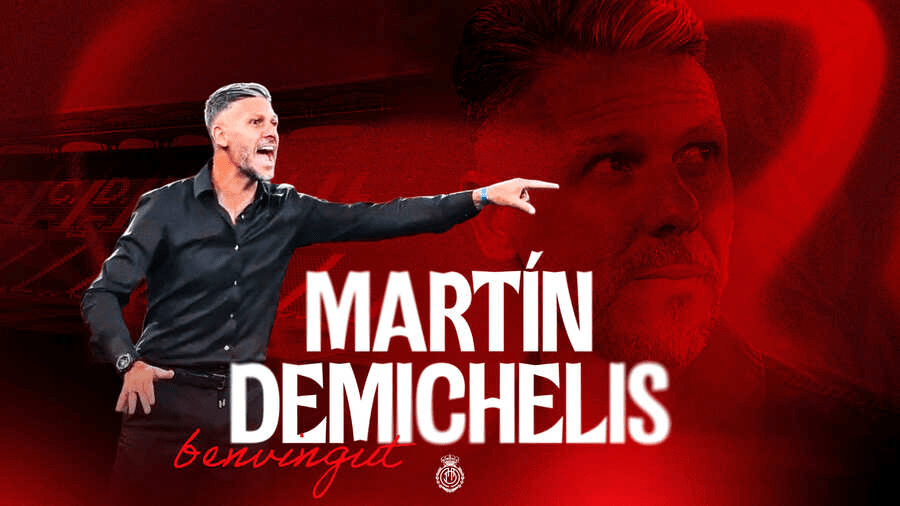
Out of the blue, Argentine Martín Demichelis appeared. The former Manchester City and Bayern Munich player had played over 50 times for his country and had been coaching in Argentina. He agreed to take the short contract and try to keep Mallorca in La Liga.

Demichelis’ first match was yesterday afternoon, away in Pamplona against Osasuna, a side that had only lost two games at home so far this season. Unbelievably, Mallorca found themselves 0–2 up in a game they dominated. That was until Virgili was sent off in the 73rd minute. Osasuna managed to get two goals back, with the second coming from former Mallorca player Ante Budimir.

In all honesty, if you’d offered Mallorca a draw before the game they would have taken it, but having been 0–2 up it will feel like a loss. The huge plus is the form of Vedat Muriqi, who has scored 18 goals this season so far. Making him the second best scorer in La Liga, 5 goals behind Kilian Mbappe of Real Madrid. 

With 11 games to go, Mallorca lie in the relegation places, but a win could see them climb out. The next game is at home to Espanyol next Sunday at Son Moix, kick-off at 14:00.

I can’t stress enough how important it is for Mallorca to stay up. It’s great for tourism, as people do visit the island to watch football. It’s great for those of us who live here to see teams such as Barcelona and Real Madrid play live. And finally, it’s great for youth football here on the island. To have a team playing in La Liga is so aspirational for all of our young footballers.

As they say here in Spain “Si se puede”(yes we can).

Debate on Playground Football Restrictions: A Parent’s Perspective

Looking back, going to school was one of the fun times in my life. I say “fun” because, to be honest, studying wasn’t my strong point. I go back to the days when your whole school year depended on an end-of-year exam — and there was my problem.

My daily schoolwork, whilst not amazing, was passable, but if I had to revise for something, I was dead in the water. I couldn’t sit still in a room and study. I was too busy wanting to go and play football. That could have been outside in the street, at school in the playground, or for the school team. In the evenings, I was playing for my youth football team and training with my town team too.

I made my debut for my town team at just 15 years old in the then Isthmian League, playing in front of a few hundred people — and that was a pretty good standard at that time.

So I didn’t have time for Maths, Biology, and French exams. It was football or nothing for me. I remember my French teacher writing in my school report, “When will Richard realise that a laugh and a joke won’t get him through life?”

One of the things I loved at school was the lunchtime break. We used to congregate in the playground, pick two teams, and off we went. Now, I was a goalkeeper, just like my youngest son Jude is now, but there was no way I was playing in goal in the playground. I was running around trying to show my mates how good an outfield player I was.

It was very competitive, of course, and nobody wanted to go back into a double chemistry lesson having been on the losing team. Competitive also meant that every now and again it would get feisty and disagreements would occur. I went to an all-boys school, so the testosterone was flying around, as you can imagine, but it would soon cool down and on we went. Writing this now brings back great memories and, for me, it was all part of growing up.

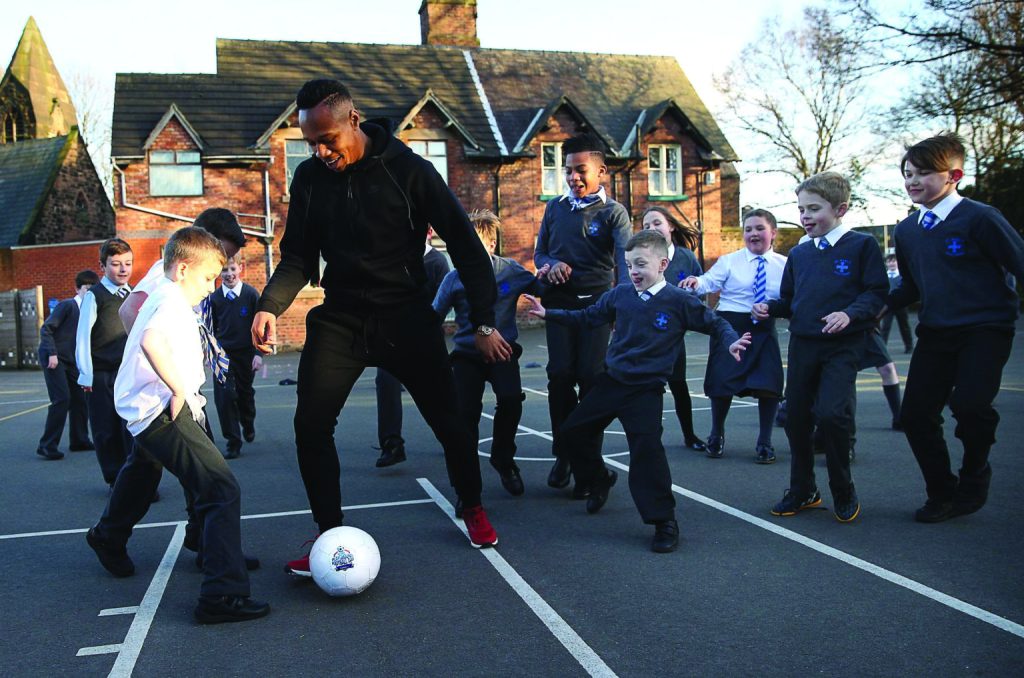
So imagine my surprise when I read on the front page of one of the Spanish papers here in Mallorca that schools are going to limit the playing of football in the playground due to the conflicts it generates. Are we serious??

I posted this on my Facebook page and it got a huge reaction — most finding it a stupid decision and a few supporting it. In fact, some parents have said that in some schools already kids can only play on certain days. One parent from the UK said it happens at his son’s school. Another parent here says his son comments excitedly every Thursday that it’s his day to play football. Another said her son had said that arguments in the playground happen anyway, not just because of football.

I saw the paper that had written the story had posted it on their Facebook page, and the pile-on from the Spanish was unbelievable. I couldn’t find one person who supported it.

In an official statement issued last Thursday evening, the FFIB (the Balearic Football Federation) expressed its regret that initiatives are being promoted that could limit children’s participation in sports, and pointed out that football is the most popular sport in the Balearic Islands, with a long history and social impact that makes it a key tool for education, coexistence, and the comprehensive development of children and young people.

The Federation emphasised that youth football goes far beyond mere competition. It is, they explain, a learning environment in which values such as respect, teamwork, discipline, equality, effort, and solidarity are transmitted — all of which are essential elements in the personal and social growth of young people. Through clubs and sports schools, thousands of schoolchildren learn to live together, manage their emotions, and face challenges in a regulated and supervised environment.

I couldn’t have put it better myself.

Climbing the Football Ladder: A Family’s Journey

We have two sons who are both working hard to climb the football ladder. Our eldest, Jacob, at 19 years old, is starting on the path to becoming a coach. He has been working at the Borussia Dortmund International Academy Mallorca for a couple of years, running various training sessions. This year, however, he will be coaching his own team while studying for a UEFA C licence and completing his education with an FP Superior in Sport.

Our youngest, Jude, at 16 years old, has his sights set on becoming a professional goalkeeper. He is playing at the second-highest level of youth football with Palma FC while studying for an FP in Sport, just like his brother.

Both realise that they are on a difficult path, as very few actually make it, which is why their studies become so important.

Footballers who do make it enter a life that most of us can only dream of. Whilst most behave in a manner befitting their standing, unfortunately there are some who don’t. Several cases have come to light this season, both here in Mallorca and back in the Premier League.

Dani Rodríguez is a player I admire at Real Mallorca. He has been at the club since January 2018 and always gives 100%. However, a couple of weeks ago he let himself down. He was suspended by the club after publicly criticising the club and coach on social media following a loss to Real Madrid. He was frustrated at not being brought into the game—especially as his family was watching—and questioned the value of loyalty and hard work in the dressing room. The club responded by suspending him for 10 days without pay and permanently removing him as vice-captain.

I hope he can train his way back into the team, whether under the current coach or another one (that’s for another day!).

Players thinking they are above the law are becoming more and more common. The case of Alexander Isak is probably the biggest one this summer. He refused to play for his parent club, Newcastle, while still under contract, in an attempt to force a move to Liverpool, who had submitted a bid for him. On the other hand, you have a club like Chelsea, who have sidelined two of their squad players—Raheem Sterling and Axel Disasi—making them train in the evenings, away from the first-team squad. The Professional Footballers’ Association (PFA) has become involved, reminding Chelsea of their duty of care.

But where were the PFA in the case of Isak, telling him he should fulfil his contractual obligations? You heard nothing from them. Yet when it comes to a player like Sterling, they suddenly come out of the woodwork and get involved. I am sure these players had opportunities to move on in the summer but, for whatever reason, chose not to. They are still being paid and have access to all the facilities provided to the first team. In Sterling’s case, he is still earning £325,000 a week! On that amount of money, I’d be training all day, all night, and twice on Wednesdays! I’m sorry, but the “duty of care” argument in this case doesn’t wash with me.

We have taught our sons to be respectful to others, and we hope that if either—or both—of them make it into the big wide world of football, they continue in that vein. As the old saying goes: be nice to the people on your way up, because you might well meet them on your way back down!

Real Mallorca’s Growth: A Community Football Vision

This weekend sees the return of La Liga here in Spain, and for fans of Real Mallorca, it’s another season where the first aim is to avoid the drop. Having finished in a very impressive 10th place last year, you’d think relegation wouldn’t be on our minds—but we all know Mallorca too well. This season will be their fifth consecutive one in La Liga, and the growth in interest in the club has been enormous. Since their promotion in the 2020/21 season, they have gone from 14,471 season ticket holders to 23,044 this season.

You cannot help but applaud the American owners for what they have done since buying the club in 2016. One sticking point in the sale of the club, however, was that the ownership of the stadium is not directly tied to the club’s ownership structure. While RCD Mallorca has a long-term agreement to use the stadium, the facility is owned by the local government, specifically the Consell de Mallorca. The club has a 50-year agreement with the city council to use the stadium, which they have occupied since 1999.

Where I think the Americans have been very clever is in getting their stadium improvements approved by the government in return for agreeing to open the stadium year-round. Both parties are working together to ensure it is not just a football venue but a place that serves the local community throughout the year. The broader aim is to increase the stadium’s accessibility and utility for residents of Mallorca, promoting it as a place for recreation, events, and social interaction.

Last month I had a tour of the stadium to see the improvements and to learn about how the La Liga salary cap works and how they manage ticketing. They had just finished a series of outdoor concerts on the pitch, which was being dug up and replaced. At that point, you would have thought it impossible to host La Liga matches just a month later.

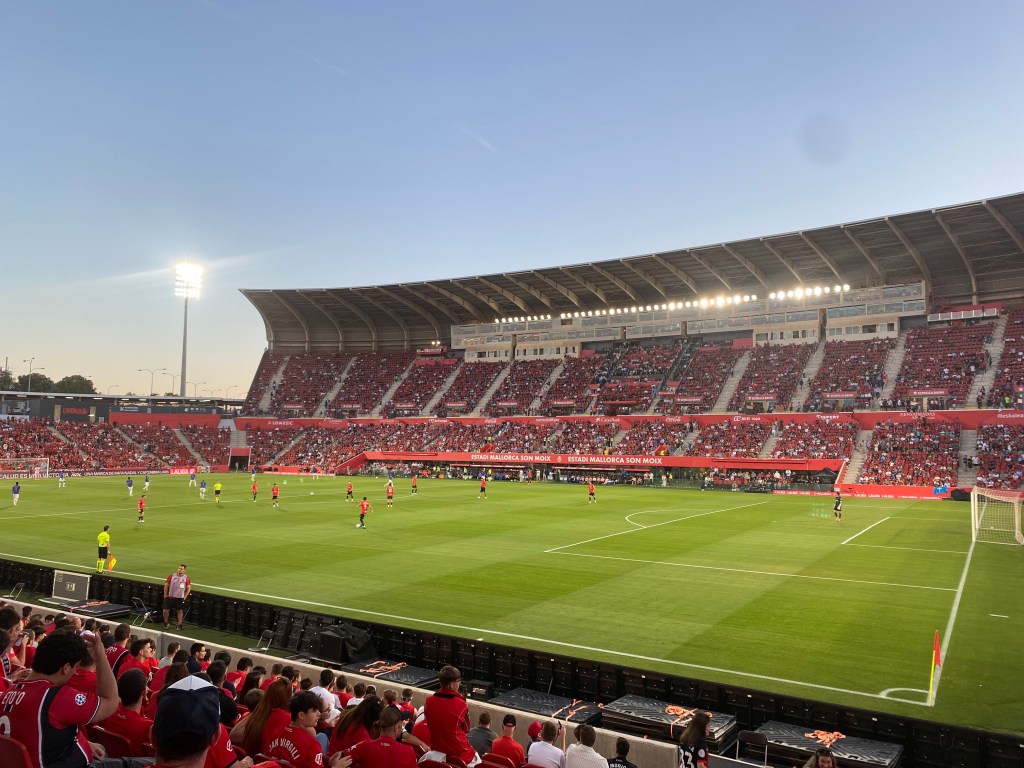
The stadium is very impressive these days. With the running track gone, fans are much closer to the pitch, making the atmosphere far more intense. But it’s also behind the scenes where you notice the biggest changes. They have gone all-in on corporate hospitality, adding a tunnel experience, private boxes, and various lounges where you can enjoy food and drink both before and after the game. While I was there, stadium tours were running, the Mallorca Sports Bar was open, and a new sports clinic had just launched. The club shop has been transformed into a state-of-the-art space that does a roaring trade, not only on match days. Conference facilities of various sizes are now available around the stadium.

Every one of these extras contributes to how the salary cap is calculated for the club. La Liga’s salary cap, known as the Squad Cost Limit, restricts how much clubs can spend on player and staff wages, amortised transfer fees, and other related expenses. This limit is determined by each club’s projected revenue and expenses for the season, including debt repayment and overheads. So, all this investment ultimately supports the entire playing structure of the club, from the first team right down to the youth levels.

There’s little to criticise the owners for, but one thing I don’t understand is why the club doesn’t yet have a women’s team. You’d think that with Spain and the USA ranked number 1 and 2 in the world, respectively, they would. The other professional team on the island, Atlético Baleares, does have one, and they play in the second tier of women’s Spanish football.

Mallorca has produced outstanding women’s talent. Three players from the island were in Spain’s national team at the European Championships: goalkeeper Cata Coll from Pòrtol, midfielder Patri Guijarro from Palma, and forward Mariona Caldentey from Felanitx. All three started in the final against England. So, the talent is definitely here.

I’m hearing that Mallorca will finally launch a women’s team ahead of the 2025/26 season. It will initially compete in the Alevín eight-a-side category, for players aged 10 and 11. The club has emphasised a long-term commitment to the women’s programme, ensuring it will be a serious project with dedicated staff and resources.

Prior to this launch, the club focused on stabilising the men’s team and building a solid foundation for growth. The women’s team will be fully integrated into the club’s football structure, with shared facilities and staff. Hopefully, that will evolve into a full programme for women, giving girls on the island the chance to pursue their dreams here rather than having to go elsewhere.

The wait is over for the first team—and tonight they face the small matter of current La Liga champions Barcelona in their opening match.

Visca Mallorca!

Rob Croll’s Sporting Son Ferrer Joins Dortmund Academy

Probably one of the biggest things to happen in youth football here in Mallorca for a very long time was announced 2 weeks ago — and I was lucky enough to be there.

Many of you on the island will know Rob Croll and his very successful Russell Martin Academy, which is named after his foster brother — the former footballer, Southampton Manager, and now the Rangers Head Coach. What you might not know is that Rob also runs the football club Sporting Son Ferrer and Mallorca Pro Training. So, he’s a busy man. But before I tell you more about the announcement, let’s find out a little more about Rob.

Born and raised in Brighton, where he went to school and college, Rob realised at that time that he wasn’t going to make it as a professional footballer. He went on to study sports and marketing at university in Southampton. He did some coaching in the UK and the USA and then spoke to his foster brother, Russ, about starting his own academy. The Russell Martin Academy was already an established brand in the UK, and Rob thought it would be a good idea to bring it to Mallorca, where he’d put down roots since moving in 2011.

In the winter of 2018, he began the Academy. He admits the first three months were difficult and that he wondered if it was all worth it. But after offering free football coaching sessions for local schools, things started to kick off (excuse the pun!). He began to be the go-to academy for non-federated kids to learn the technical side of football.

The pandemic was a crushing blow to most small businesses, and Rob was unfortunately no exception. But he managed to build it back up. Being a non-federated player means you don’t play as a team, as you’re not permitted to — but as the academy grew, the need for a team became greater. Around that time, he was playing for a team called Sporting Son Ferrer and was offered the chance to take it over. This gave him the ability to start building teams and retain players who would previously have left to play competitive football elsewhere.

They went from one to two teams in the first and second seasons and gradually grew. Last season, they had six teams — and the hope is that next season this will become ten.

Now, back to the big announcement.

I was invited to the Sporting Son Ferrer trophy presentation night at Oceans Beach Club. My eldest son, Jacob, has been coaching there for a year, and I’ve also been doing some work with Rob through Mallorca Pro Training. It was announced that Sporting Son Ferrer had signed a partnership deal with the German side Borussia Dortmund! From now on, it will be known as Club de Fútbol Borussia Dortmund International Academy Mallorca.

This is something Rob had been working on for months, and after visiting all their facilities in Germany, a deal was agreed. It is an unbelievable opportunity for Rob — but I also believe it’s a great coup for Calvià and the island of Mallorca to be linked with such a prestigious club.

Borussia Dortmund has partnered with youth programs and established academies in 16 countries, including Germany, Japan, Poland, and the USA. In the US alone, they have multiple locations, including Florida, Texas, Washington, Arizona, and Louisiana. They also have five academies in China.

Dortmund sent over two representatives for the presentation. One was Roman Weidenfeller, a goalkeeper and club legend, who made 453 appearances for Dortmund between 2002 and 2018. He won two Bundesliga titles and two German Cups with the club. He is highly regarded for his loyalty and dedication to BVB and now serves as a brand ambassador.

Christian Diercks, Head of the BVB Evonik Football Academy, also attended. He explained that their football philosophy remains the same wherever they are in the world:

• Embrace and create the training environment and attitude of the finest quality that produces real opportunities for players to reach their potential

• Understand and replicate the methodology and training focus needed at the highest levels

• Demand excellence and quality in all aspects of the game

• Create professional pathways for our players at different age levels

• Offer the opportunity for players to be identified early in their career and then monitored for progression year to year by coaches from Borussia Dortmund’s academy

• Develop coaches to their highest potential with exchange and learning opportunities

• Implement playing style and player milestones like the professional environment

• Use resources directly from the academy

• Represent nationally the Borussia Dortmund brand, the club’s history, and its outstanding reputation for player development

Rob stresses that although this partnership has moved the club to another level, the pathway for players doesn’t change. He adds, “Whilst we are aligned with a professional brand now, it’s still football for all. From the very first day that we started RMA and moved on to Sporting Son Ferrer to today, it’s always been about football for all. I don’t want anybody to think that they’re not good enough for this club.”

On a personal note, I look forward to seeing my son Jacob begin his coaching career at the club — and also to witnessing the impact this partnership will have on the future of youth football here on the island.

If you are interested in your child joining the club, please contact Rob on 0034 691 173 265.