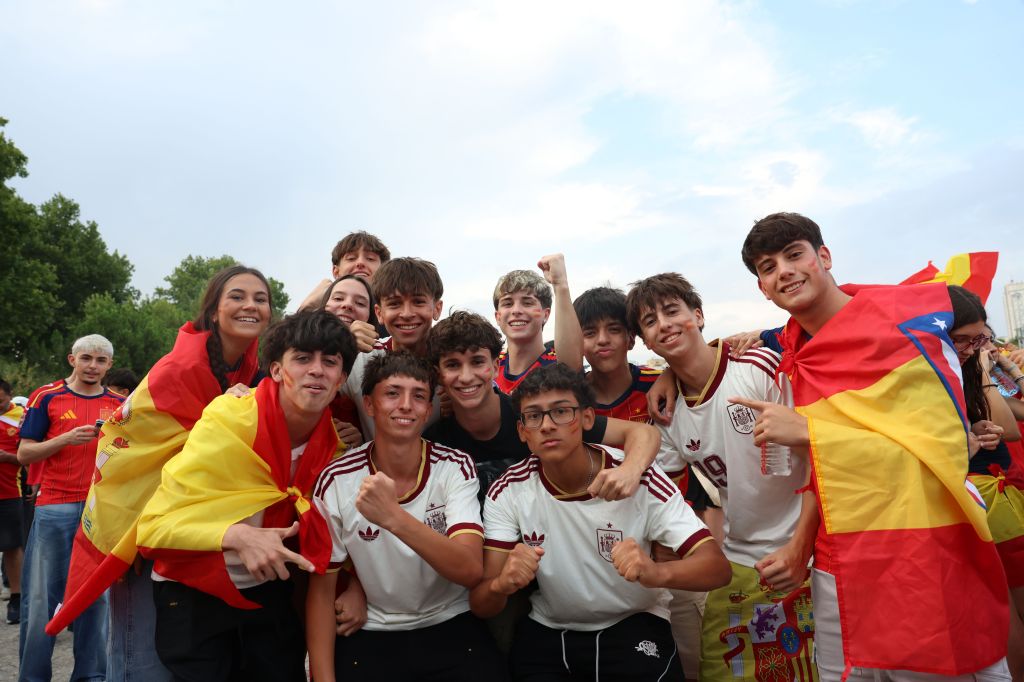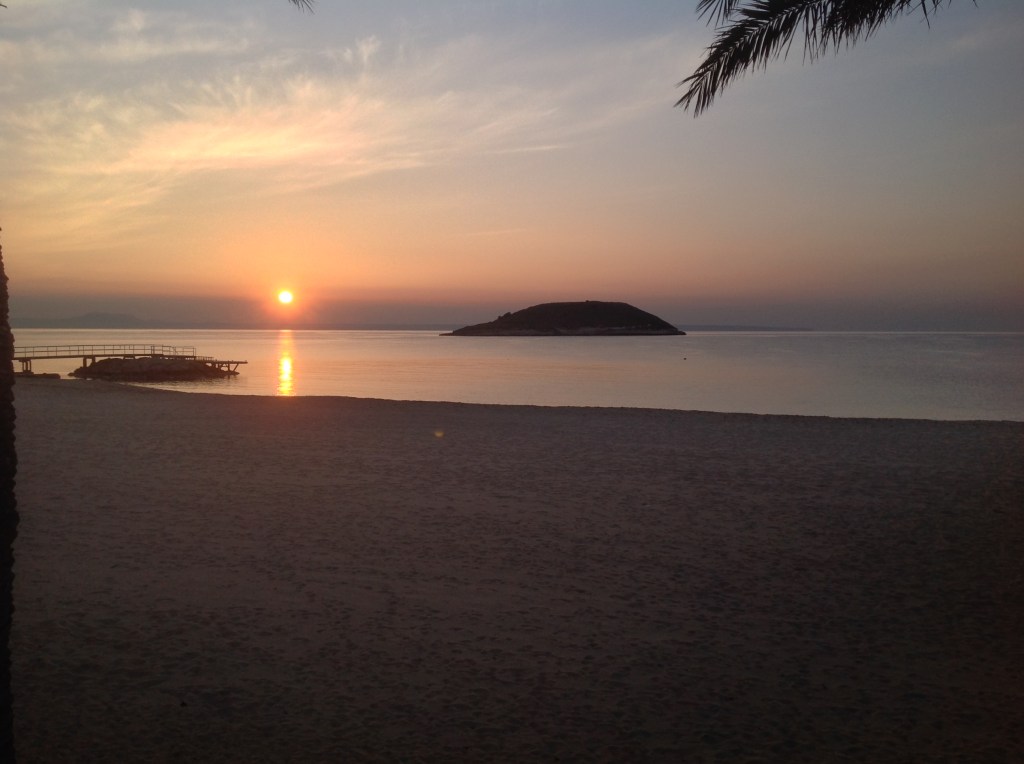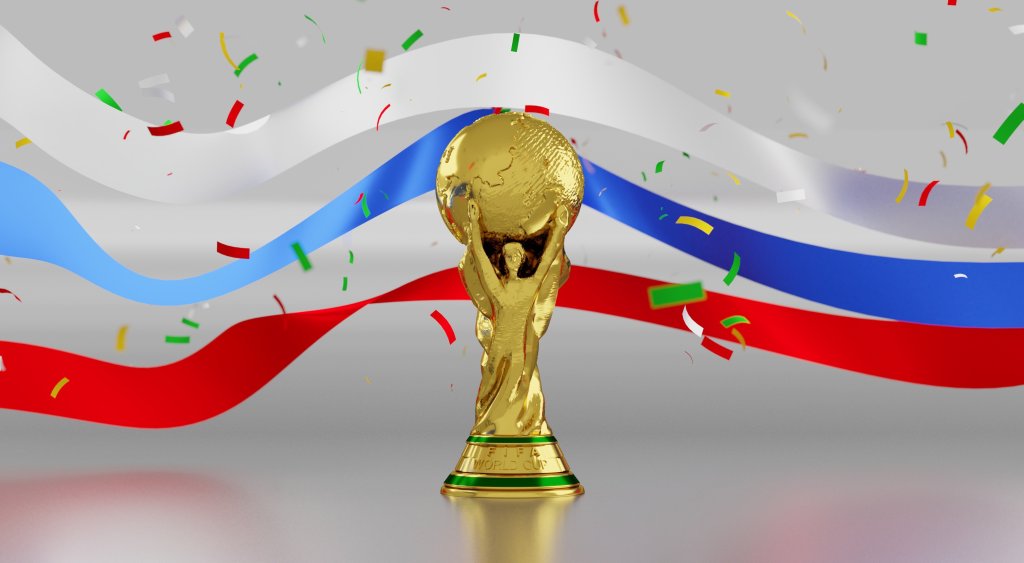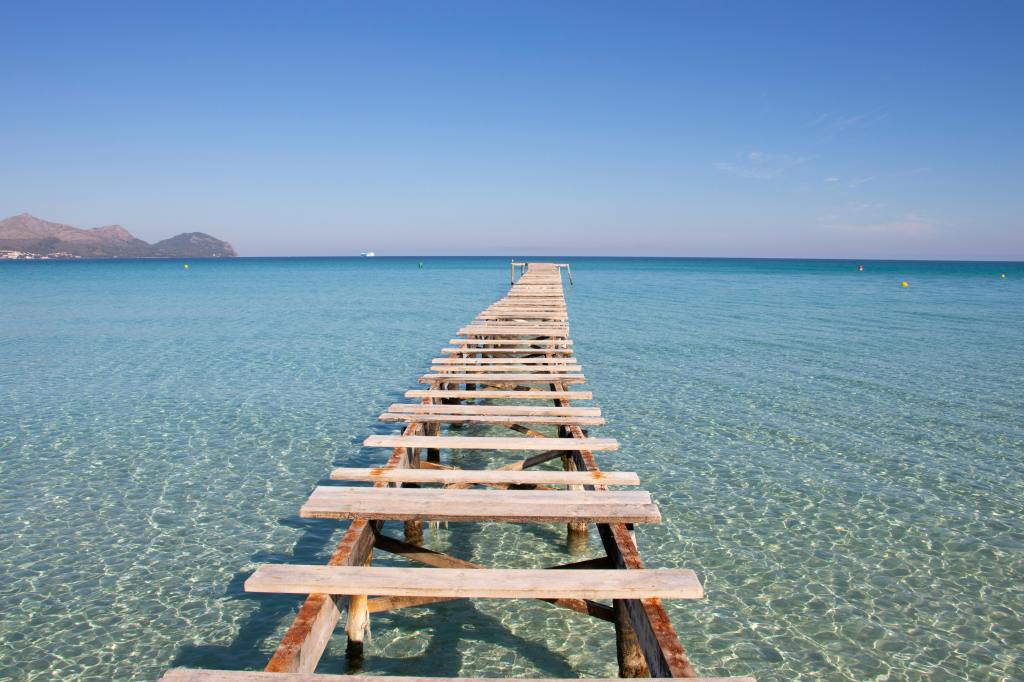
It was great to see Spain’s players celebrating in Madrid in front of over 2 million people after returning home from their win over Argentina. However, I think it would have been a good idea for them to visit a few other cities to give everyone in the country a chance to celebrate their heroes. Even a trip to Mallorca would have been nice! While I appreciate that they are tired and want to spend time with their families, a little trophy tour would have added to the feel-good factor around the country.
For the 26-man squad, nothing will quite match the euphoria of adding a second star above their nation’s badge.
However, each player is set to receive a gross payout of €754,701.92 (£640,500) for winning the World Cup. The sum aligns with the agreement reached with the RFEF, under which the players were to receive 45% of the prize money FIFA awards to the governing body for winning the tournament—a total of around €44 million (£37.3 million).
As a result, around €19.8 million (£16.8 million) will go to the players, after they reportedly agreed to collect major bonuses only if they reached the latter stages of the tournament.
However, the players will immediately have to part with a significant chunk of that money in income tax. Depending, of course, on where they play their club football, the Spanish players’ personal income tax rate is around 45%, meaning each player could lose as much as €370,000 (£314,000) to tax.
I also think the players, the governing body, and even the Government have missed a trick here. Let’s face it: while €44 million is a significant amount of money to most of us, in the football world it’s a drop in the ocean. The Government could have declared these payments tax-free, while the players and the governing body could have pledged that the money saved would be invested in grassroots football, helping to ensure that another generation of players can one day add a third star to that famous red shirt.
Having had two sons progress through the Spanish youth football system, I have no doubt that investment made now will have a significant impact on the future success of football here in Spain.
It’s a subject that keeps coming up, and I’ve commented on it many times here. It comes back into the spotlight again here in Mallorca on Sunday, July 26th. We are talking about tourism sustainability.
The last major protest of this kind was in July last year, so it makes you wonder two things: Is there a problem, and what have these people been doing for the past year?
You would think the protesters would have come up with some workable ideas by now that could benefit the island. But no. What they have come up with is a document singling out key commercial pillars that they accuse of driving up the cost of living and squeezing out local residents.
Holiday Rental Properties: Apartments and villas utilised for short-term tourist accommodation.
Hotels and Resorts: Major hotel chains and infrastructure catering to mass tourism.
Real Estate Agencies: Firms facilitating property investments and second-home purchases for international buyers.
This is the part I find unbelievable, and I’m not making this up.
Rather than advocating for peaceful assemblies, the document functions as an operational guide for low-level sabotage and avoiding law enforcement.
Identifying and avoiding security cameras when targeting a business.
Scanning areas for police presence and checking for plainclothes officers.
Tactical advice on avoiding personal identification by the authorities.
Carrying out direct actions such as graffiti, vandalism and property defacement, building on recent incidents where real estate storefronts were smashed and spray-painted.
Now, I believe in people’s right to protest, but when you go down this line, to me, you lose all credibility. This is what we are dealing with. Rather than coming up with sensible ideas, they come up with this. I’m lost for words.
I agree that Mallorca needs to look at its sustainability, but let’s be honest: we are not working flat out for 12 months of the year. I would say it’s four months—June to September. Some would argue it’s only July and August. Regardless of whether it’s two or four months, it’s not all year round. But that shouldn’t be an excuse to ignore what is going on. We should react in a positive way.
To alleviate the strain on infrastructure and the local housing market, the authorities have introduced definitive caps:
Cruise Ship Restrictions: Palma limits cruise arrivals to a maximum of three ships per day, with only one allowed to be a mega-ship carrying over 5,000 passengers.
Accommodation Freezes: Local updates for 2026 show a complete halt to the construction of new youth hostels and tourist apartment rentals in the capital city.
Capacity Targets: The Balearic Government has explicitly set caps to prevent total visitor numbers across the archipelago from exceeding historical thresholds.
In Mallorca, you are legally required to have an official tourist licence to advertise a property for short-term holiday rentals. Airbnb enforces this by requiring owners to enter a valid licence number before a listing can go live. In the city of Palma, renting apartments to tourists is now illegal.
However, here is a great example of how a national government run by one political party can undermine all the work of an island government run by another. The national government, run by the PSOE in coalition, decided to create a moratorium allowing roughly 500,000 undocumented migrants to obtain one-year work and residence permits. The measure was designed to integrate foreign nationals already in the country, address labour shortages and combat exploitation.
At this point, 34,000 have applied here in Mallorca. Whilst they now become legal residents, it makes you wonder how many didn’t apply, and what steps are we taking to stop undocumented migrants arriving in the first place?
I keep going back to an interview I did with Brad Robertson, who is the Founder and Ambassador of Save The Med. One of their missions is to promote regeneration through a holistic approach, helping local communities become aware and active custodians.
He said, “There’s too many people, mate. Whether you’re a tourist or someone who doesn’t leave your house, it doesn’t matter. There’s just too many of us!”
In two decades, Mallorca’s population has grown from 727,000 to 960,000, an increase of 32 per cent.
I arrived in Mallorca in 1990 on a Dan-Air flight (remember them?) as I was attending a training course for new holiday reps with a company called Intasun. We had never been abroad as a family, so my mum (God bless her) thought I would be back within a week. Thirty-six years later, I’m still here!
The training course took place at the Hotel Guadalupe in Magaluf. It was fairly intense, but my previous four years as a Butlin’s Redcoat stood me in good stead, and I passed with flying colours. There must have been around 50 people on the course, and everyone who passed was called in to be told where in the world they were being sent. Another girl called Lisa and I were told we were staying in Magaluf.
And so my love affair with Mallorca and Magaluf began.
Magaluf’s advertising in 1990 was defined by brash, party-focused marketing from budget travel operators like Club 18–30. Campaigns relied heavily on cheeky slogans, radio spots, and tabloid print ads, promoting cheap booze and “sun-and-sex” holidays. That said, there was still a healthy mix of families visiting the resort.
A family holiday in Magaluf in 1990 was the classic British package holiday. It offered 3-star hotels, sun-drenched sandy beaches, and a boisterous, neon-lit nightlife, with family-friendly bars such as Manos and Benny Hill’s. It was also the time when Pirates Adventure came to the fore. As a hot-day rep, it was my favourite excursion, and I sent hundreds of people there. Little did I know it would become the company I would eventually spend the next 30 years working for.
Like this year, 1990 was a World Cup year, when England came so close to reaching the final. World in Motion by New Order, featuring the iconic John Barnes rap, was released and became a massive hit. Other songs I remember include Step On by The Happy Mondays, Groove Is in the Heart by Deee-Lite, and U Can’t Touch This by MC Hammer.
A pint of lager cost around 200 to 300 pesetas, and a full English breakfast was between 350 and 500 pesetas. Yes, this was all before the euro even existed.
I lived through all the good times of the 1990s and early 2000s, but then it all started to go wrong. Magaluf was making headlines for all the wrong reasons.
Something had to change, and it did.
This transformation was driven by strict local legislation, hundreds of millions of euros in private investment, and a major push to improve the resort’s image and environmental footprint.
The new Magaluf was born – or, as it’s now known, Calvià Beach Resort.
It is no longer a resort dominated by the UK market. Instead, it has become far more cosmopolitan, with visitors arriving from all over the world.
More than 80% of the hotels are now four- and five-star properties. Brands such as Meliá, Fergus, and Globales have invested millions, helping to extend the tourist season and encouraging growth in the MICE (Meetings, Incentives, Conferences and Exhibitions) sector.
Nikki Beach Mallorca has become the luxury anchor of Magaluf’s upscale transformation. Fashion brands such as Mango and Springfield, supermarket chains including Lidl and Aldi, and food and beverage names such as Five Guys and Starbucks are now all part of the resort’s growing fabric. Add to that the increasing number of bars, restaurants, beach clubs, and cafés run by local entrepreneurs, whose food, drinks, and customer service are second to none.
The beach is one of the finest urban beaches in Mallorca, having earned the prestigious Q for Tourist Quality flag. It has also been restored to a more natural state, complete with a dune system and palm trees. Through the new DTI (Smart Tourist Destination) project, the beach is now monitored in real time, allowing visitors to instantly check occupancy levels, water quality, and other useful information.
There’s also a new boardwalk, which has enhanced the range of leisure and dining options, significantly raised standards, and helped establish the resort as a Mediterranean benchmark for urban renewal.
The resort is home to some of the island’s leading family attractions, including Pirates Adventure, Western Water Park, and Katmandu Park.
Mallorca Live Festival, held on the outskirts of Magaluf, has established itself as one of Europe’s must-visit music festivals. This year, more than 70,000 people attended over three days to see artists including The Prodigy, Kaiser Chiefs, and David Guetta. Next year, the festival celebrates its 10th anniversary, with the dates of 11th and 12th June already in the diary.
Sports tourism has also grown significantly, with the state-of-the-art athletics stadium leading the way in welcoming athletes from around the world.
Magaluf still offers a fantastic nightlife; it’s simply become that little bit more sophisticated. BCM has consistently been ranked among the world’s leading nightclubs by DJ Mag and Nightlife International. It focuses heavily on EDM, house, trance, hip-hop, and R&B, and has welcomed world-renowned artists such as Calvin Harris, David Guetta, Steve Aoki, and Martin Garrix.
Probably one of the greatest achievements by the local authorities has been the improvements in safety and security. In recent years, the number of complaints during the high season has fallen by around 30% – a steady improvement backed up by Local Police data.
Magaluf has changed and, in my opinion, changed for the better. Granted, it’s not the same resort I first arrived in back in 1990. But times change, and Magaluf has evolved into a high-quality destination that now attracts visitors from the four corners of the world.
Quite a lot of people thought that the increase in teams at the World Cup would mean more boring games and that the smaller nations would struggle to get results. Happily, I’m pleased to say that, so far, that has not been the case. Granted, Germany thrashed Curaçao 7-1, but when the minnows equalised in the 21st minute to make the score 1-1, I was jumping off my sofa.
Probably the best example so far of a smaller team holding their own against a larger nation was Spain v Cape Verde last Monday. Remember, I picked Spain as my favourites to win the competition last week. I should have said that they are slow starters and normally grow into a tournament. Let’s hope I’m not wrong!
Cape Verde, or Cabo Verde, is located 500km off Africa’s west coast and is a ten-island archipelago with an estimated population of 520,500 residing on nine of those islands. People talk more about it as a holiday destination than as a hotbed of football, so in reality they shouldn’t have stood a chance.
Spain are the current European champions, with 15 members of their squad having won a trophy this past season, and in Lamine Yamal they have a possible Player of the Tournament.
In the game itself, Spain unsurprisingly dominated, completing over 800 passes and registering 27 shots at goal. Unfortunately for La Roja, they came up against a goalkeeper who had an absolute worldie.
I guarantee that nobody out there had heard of the Cape Verde goalkeeper, Josimar José Évora Dias, widely known by his nickname, Vozinha, before the game. But you can be sure millions do now. He is 40 years of age and plays in the Portuguese second division for a team called Chaves. His performance saw him pull off a string of outstanding saves that totally frustrated the Spanish team. Before the game, as I said above, he was a complete unknown with 20,000 followers on Instagram. At the time of writing, just three days later, he now has 13 million followers! Luckily for Spain, Uruguay and Saudi Arabia, who are in the same group, drew their game too, so it’s all to play for. I still expect Spain to come through as group winners. Next up for Spain is Saudi Arabia on Sunday at 18:00.
From Spain’s frustration we move to England’s exhilaration. Sixty years of hurt, and every tournament we hope it’s going to be our turn. My whole lifetime, as I was born in 1966, we’ve suffered countless heartbreaks. That’s why I said last week that my heart says the winners will be England, while my head says it will be Spain. But in Thomas Tuchel, England have a ruthless winner who has, without doubt, been brought in to win the competition. Croatia have delivered some of those heartbreaks in the past. In 2007 they knocked us out in the qualifiers for the European Championships, and in 2018 they beat us in the semi-finals of the World Cup in Russia.
The first half on Wednesday night was a mirror image of how England normally perform. There were flashes of great attacking ability, with Kane scoring twice, but they were let down by some poor defending. It was a great game for the neutral, but for us England fans, as usual, it was nerve-racking. We went into half-time all square at 2-2.
Without doubt, Tuchel gave the team a rocket at half-time, and they produced a stunning second-half performance. Jude Bellingham silenced his critics with a barnstorming run and finish to make it 3-2. Then, in the closing moments, substitutes Saka and Rashford combined to make it 4-2 and complete a very satisfying second-half performance.
A great start for England, but let’s keep a lid on the celebrations and simply be happy that we’ve started well. There’s a long way to go yet, but it’s certainly a promising start.
Next up for England is Ghana next Tuesday at 22.00.
There are 48 countries competing in this year’s World Cup finals in the USA, Canada and Mexico, so trying to find a winner has become more difficult than ever. Although only eight nations have ever lifted the Trophy: Brazil (5), Italy (4), Germany (4), Argentina (3), France (2), Uruguay (2), England (1) and Spain (1).
You would probably deduce that the winner will come from one of these teams. However, I’m going to add one dark horse that may have a chance, and that is Portugal.
Italy, somewhat surprisingly, did not qualify, so that rules them out. I can’t make a case for Uruguay and, although they always seem to do well in tournament football, I’m ruling out Germany as well. Brazil have a coach in Carlo Ancelotti who is widely considered to be one of the most successful and decorated football managers in history, holding several unmatched milestones across European and international football. However, I don’t think his team is good enough.
That leaves Argentina, France, England and Spain. Interestingly, if the results go the way the experts predict, these will be the four semi-finalists.
My heart will always say England and, in Thomas Tuchel, we have an elite manager. But after 60 years of hurt, I still can’t see us getting over the line.
Argentina are the holders, and their coach, Luis Scaloni, lives in Mallorca. However, Messi is well past his best and I can’t see them retaining their crown.
So that leaves France and Spain. It’s very difficult to separate these two, but if I really had to choose, I’m going for my adopted country, Spain.
The current European champions have a team full of winners who, importantly, won’t be fazed by the heat. When I say winners, I mean players who have been successful in their domestic leagues this season and should be bringing that form into the World Cup.
Raya, Merino and Zubimendi all won the Premier League with Arsenal. García, Torres, Gavi, Olmo, Yamal, Pedri and Cubarsí all won La Liga with Barcelona. Ruiz won Ligue 1 and the Champions League with PSG. Rodri won the League Cup and FA Cup with Manchester City. Oyarzabal won the Copa del Rey with Real Sociedad, and finally, Pino won the Conference League with Crystal Palace.
That’s 15 players out of a squad of 26 who have already won something this season.
The most surprising thing about the Spanish team is that there is not one player from Real Madrid. You can understand why, as they haven’t won anything in the last two seasons.
The goalkeeping position will be interesting, as all three goalkeepers are world-class and it’s difficult to separate them. However, Spanish head coach Luis de la Fuente heavily favours Unai Simón as his undisputed first-choice goalkeeper. Despite stellar seasons and Golden Glove awards for David Raya (Arsenal) and Joan García (Barcelona), De la Fuente has consistently backed Simón, the starter from Spain’s UEFA Euro 2024 triumph.
The defence could well be their weak link, in my opinion, but their midfield and attack are outstanding. In Lamine Yamal, Barcelona have a genuine star who could become the player of the tournament.
Barring injuries, I expect them to line up in a 4-3-3 formation:
Goalkeeper: Unai Simón (Athletic Bilbao)
Defence: Marcos Llorente (Atlético Madrid), Aymeric Laporte (Al Nassr), Pau Cubarsí (Barcelona) and Marc Cucurella (Chelsea)
Midfield: Rodri (Manchester City), Pedri (Barcelona) and Fabián Ruiz (PSG)
Forwards: Lamine Yamal (Barcelona), Mikel Oyarzabal (Real Sociedad) and Nico Williams (Athletic Bilbao)
Whilst I would love the Three Lions to roar again, my tip is for La Roja to be triumphant on the 19th of July.
Mallorca has, without doubt, changed dramatically since I first came here in 1990. The three-star bucket-and-spade, party-island image has become a thing of the past. Personally, I think it’s a positive move, and it shows that we haven’t stood still—we’ve reacted to what the market wants.
The transformation of Magaluf into a “quality over quantity” destination is reflected in recent data. Figures from 2025 provided by the town hall in Calvià suggest that 4- and 5-star hotels now account for 80% of the total hotel beds in the area.
Hotel chains such as Meliá, Iberostar, Fergus, and Zafiro have spent millions upgrading their properties. The quality of the bars, cafés, and restaurants—particularly along the seafronts of both Magaluf and Palma Nova—now, in my opinion, makes it a gastronomic must for people looking to eat out.
The newly built promenade along Magaluf Beach will be finished in May, enhancing one of Mallorca’s already top beaches to an even higher level. Let’s also remember that Nikki Beach, the world-renowned beach club brand, has a venue at the end of that beach.
I interviewed Gary Napier of Street Angels this week on the radio. They are a team of Christian volunteers who patrol the nightlife area of Magaluf, providing care and safety to partygoers during peak season. Gary said that their work has diminished quite dramatically over the last five years—but in a positive way—showing that the resort is changing for the better.
When you look across the island, you can see world-renowned hotel brands investing heavily. These include the soon-to-open Mandarin Oriental Punta Negra, alongside the St. Regis Mardavall in the south of the island; the Four Seasons resort in Formentor in the north; and Belmond La Residencia in Deià, as well as Jumeirah in Port de Sóller in the west.
These are just a few examples of the changes Mallorca is going through. I mentioned last time the huge €560 million investment in Palma Airport, and Palma is now among the top three European destinations for private jet traffic, frequently mentioned alongside Nice and Geneva.
I also read with interest this week that Jet2 has announced the launch of its first-ever business class layout on an aircraft. The aircraft is typically configured with 189 seats, but that has been reduced to 76. They expect it to be popular with their sports, music, entertainment, and specialist group customers, meeting demand for greater privacy and comfort.
The marinas are full of amazing yachts and motor yachts. In fact, as I step out of my apartment by Port Adriano, I can see the 58-metre masts of one of the world’s largest and most sophisticated sailing yachts, Maltese Falcon. The 88-metre (289 ft) superyacht is estimated to be valued at approximately US$75 million to over US$100 million, with annual running costs of US$4–8 million. Owned by Elena Ambrosiadou and built by Perini Navi in 2006, the vessel is renowned for its revolutionary DynaRig sailing system and is available for charter, often listed at approximately €490,000–€580,000 per week.
Through my concierge business, Priority Mallorca, I’m dealing with more and more clients from a wide range of countries. I’ve had enquiries from the United States, Canada, Singapore, Japan, and across Europe. This shows we are attracting more diverse markets—not just UK, German, and Spanish holidaymakers as before.
The more diverse we become, the better it will be for all of us.
Mallorca’s sporting facilities are second to none. A whole array of sports, including football, tennis, cycling, swimming, and golf, to name just a few, have great places to play and train. Not only that, but we are also starting to attract more and more prestigious sporting events to the island.
This includes the Mallorca Tennis Championships, a pre-Wimbledon men’s grass-court event. The event will return to Mallorca Country Club from the 20th to the 27th of June, continuing its tradition as the only ATP grass-court tournament in Southern Europe. One of the first confirmed players for 2026 is Australian star Nick Kyrgios, the sometimes controversial but crowd-pleasing player, who will compete in Santa Ponça.
In golf, the 2026 Road to Mallorca (HotelPlanner Tour) features a global schedule spanning 19 countries, beginning in South Africa in January and culminating in the Rolex Grand Final at Club de Golf Alcanada, Mallorca, from October 29th to November 1st. The tour offers 20 DP World Tour cards to top performers, with the final event featuring a €500,000 prize fund.
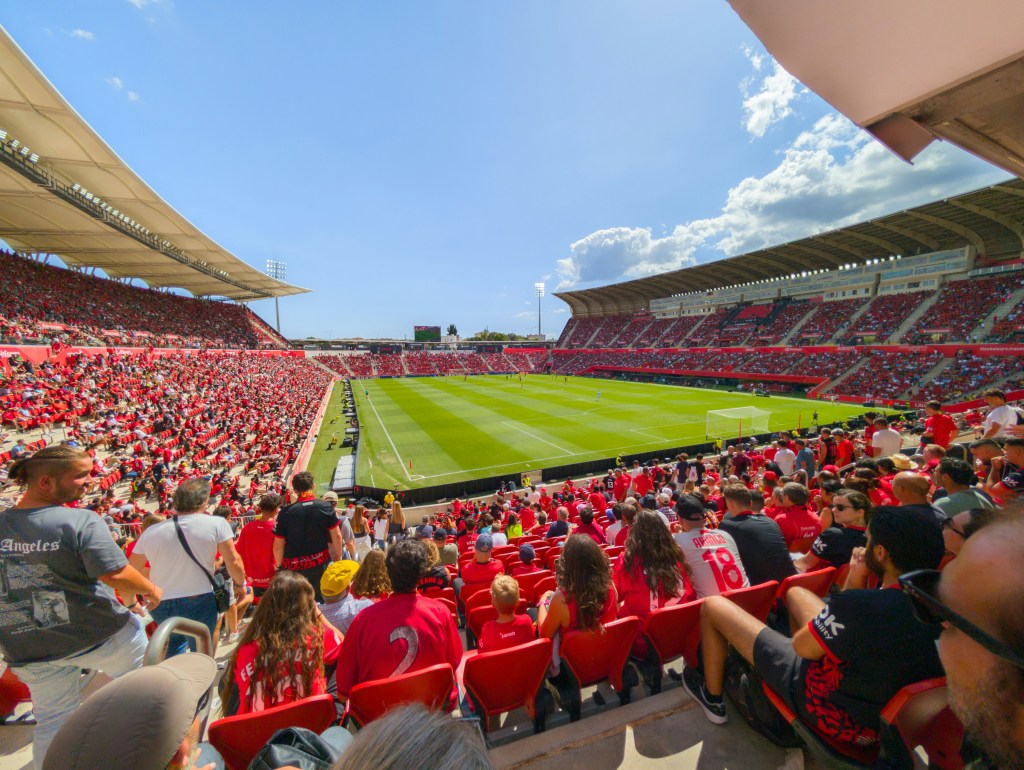
One of the events I’m particularly looking forward to is the Women’s World Cup qualifier between Spain and England—the current World Champions versus the current European Champions, or, as it is also known, La Roja v The Lionesses. This will take place at the Son Moix Stadium, the home of Real Mallorca, on Friday, June 5th.
It’s a great opportunity for tourists, expats, and Mallorquins to see two of the most successful teams in the world playing each other.
From a Spanish point of view, three key players in the current squad are from Mallorca.
Catalina “Cata” Coll, a goalkeeper, was born in Pòrtol. She previously played for Sant Marcel, Cide, Marratxí, and Collerense here on the island before being signed by Barcelona and sent out on loan to Sevilla. She is now back at Barcelona and, after recovering from a serious injury, has become Spain’s first-choice goalkeeper. While on the island, she trained at the Pablo Roca goalkeeping school, where my youngest son Jude has also trained with her.
Patri Guijarro, a midfielder, was born in Palma. She played for UD Collerense, and at the age of 17, she joined Barcelona, where she has remained ever since.
Mariona Caldentey, a forward, was born in Felanitx, where she began her career. She then played for Cide and Collerense before joining Barcelona in 2014. After winning numerous titles, she joined Arsenal in 2024.
From a tourist and expat perspective, it will also be a chance to see the England team in action, including Hannah Hampton, Leah Williamson, Keira Walsh, Lauren James, and Chloe Kelly.
Women’s football has never been stronger, and here on the island, it is starting to thrive. More and more teams are emerging, with Atlético Baleares leading the way by competing in the second-highest division in Spain.
It’s disappointing to see that the club hosting this huge game doesn’t actually have a women’s team. Real Mallorca, since being taken over by its American investors, has done some amazing things for the island. Hopefully hosting this game will prove to them that it is time they invested in a female team.
Tickets for the game will be sold by the RFEF (the Spanish Football Federation) and, at the time of writing, have yet to go on sale.
I’ve kept my powder dry on what’s been happening at Real Mallorca over the last few weeks. I think it had become obvious that the coach, Jagoba Arrasate, had taken the team as far as he could. When he came to the club in July 2024 from Osasuna, he was known as an attacking coach who loved to promote younger players into the team.
He started well enough, and by Christmas that year they’d accumulated enough points to virtually assure their La Liga status for the following season. That was when the wheels started to come off, as the second half of the season was awful. That disappointing form continued into the start of this season, and by Christmas I thought the club would look elsewhere.
However, they continued with some good results at home, notably against Sevilla and Athletic Club, but away they were awful. Arrasate finished his tenure at Real Mallorca with a win rate of approximately 30.9% (21 wins in 68 matches).
His record across all competitions during his time in charge (spanning from July 1, 2024, to his departure on February 23, 2026) was:
Matches: 68
Wins: 21
Draws: 15
Losses: 32
The disappointing part of his tenure was not promoting enough youngsters into the first team. The squad is ageing and needs some young, refreshing talent. The only young player who was successful was Jan Virgili, brought in from Barcelona. It was a shame to see former San Francisco forward Marc Domenech loaned out when backup was needed for Muriqi.
When the club did decide to twist, it was obvious they didn’t have a candidate in place. Luis García Plaza and Kike Sánchez Flores seemed to be the two names in pole position. The only problem was that the club did not want to commit to a contract longer than the end of the season, as if they were relegated budgets would have to be cut.
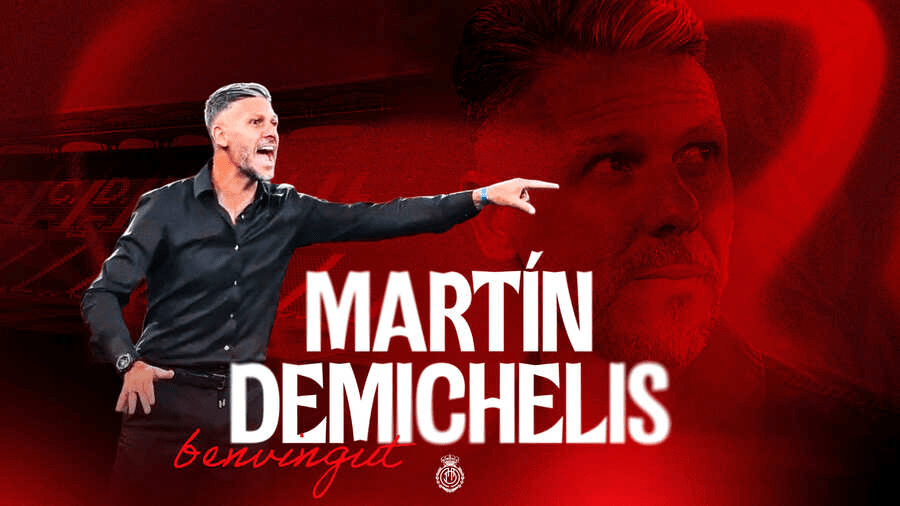
Out of the blue, Argentine Martín Demichelis appeared. The former Manchester City and Bayern Munich player had played over 50 times for his country and had been coaching in Argentina. He agreed to take the short contract and try to keep Mallorca in La Liga.
Demichelis’ first match was yesterday afternoon, away in Pamplona against Osasuna, a side that had only lost two games at home so far this season. Unbelievably, Mallorca found themselves 0–2 up in a game they dominated. That was until Virgili was sent off in the 73rd minute. Osasuna managed to get two goals back, with the second coming from former Mallorca player Ante Budimir.
In all honesty, if you’d offered Mallorca a draw before the game they would have taken it, but having been 0–2 up it will feel like a loss. The huge plus is the form of Vedat Muriqi, who has scored 18 goals this season so far. Making him the second best scorer in La Liga, 5 goals behind Kilian Mbappe of Real Madrid.
With 11 games to go, Mallorca lie in the relegation places, but a win could see them climb out. The next game is at home to Espanyol next Sunday at Son Moix, kick-off at 14:00.
I can’t stress enough how important it is for Mallorca to stay up. It’s great for tourism, as people do visit the island to watch football. It’s great for those of us who live here to see teams such as Barcelona and Real Madrid play live. And finally, it’s great for youth football here on the island. To have a team playing in La Liga is so aspirational for all of our young footballers.
As they say here in Spain “Si se puede”(yes we can).
Spain is widely known for its tradition of fiestas. A fiesta in Spain is a vibrant festival or celebration, often rooted in religious holidays honouring saints or commemorating historical events, but also encompassing cultural, seasonal, or modern parties. These celebrations typically feature music, parades, food, fireworks, and unique local traditions.
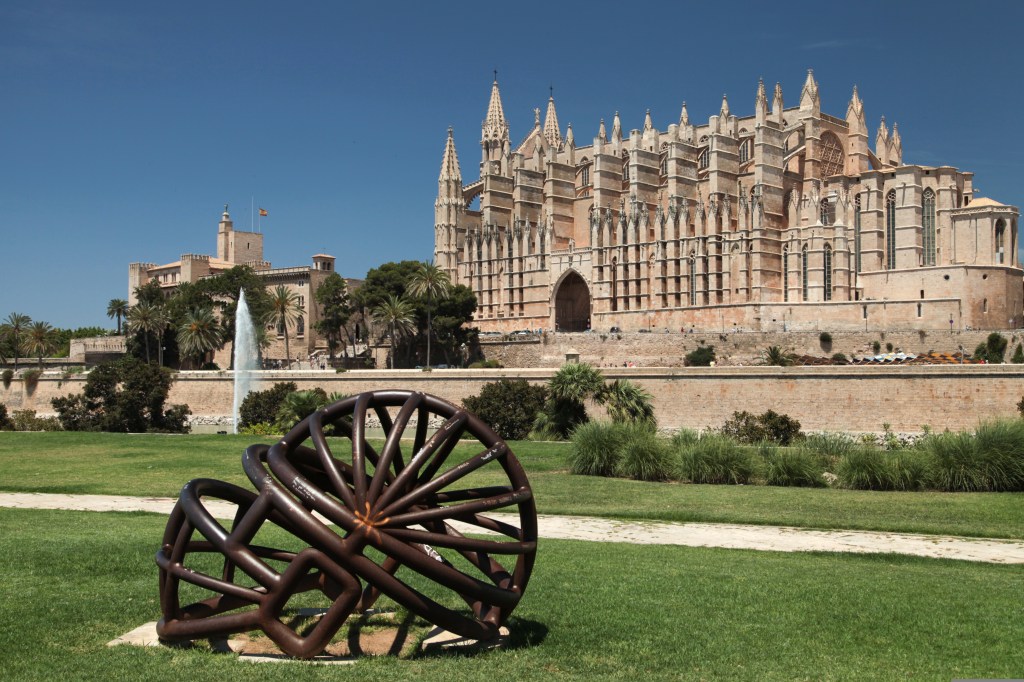
The patron saint of Palma de Mallorca is Saint Sebastian (Sant Sebastià), a Roman soldier martyred for his faith. His feast day is celebrated with major festivities in the city in the middle of January featuring concerts, bonfires, and traditional parades such as the Correfoc. He became the city’s patron after his relic was brought to the Cathedral, coinciding with the end of a plague and symbolising protection against epidemics.
This Friday, January the 16th the Crystal Fighters take to the stage in Plaça d’Espanya. They are an English-American electronic music band formed in London in 2007. Known for their explosive fusion of electronic music, folk influences, and festival energy, the band promises one of the international highlights of this year’s programme. Their Instagram says they are excited to start the New Year together with a free concert for all.
On Saturday, January the 17th, the now-popular tardeos will spread across Plaça del Rei Joan Carles I and Plaça Major, with DJ sessions and live performances aimed at a broad audience. It’s a format that continues to grow in popularity, perfect for enjoying music during the afternoon while soaking up the atmosphere of Palma’s city centre.
Everything will culminate on January the 19th with the Revetla de Sant Sebastià, when simultaneous concerts will take over multiple city squares. Urban music and electrolatino will dominate Plaça d’Espanya, local talent and tradition will shine in Plaça Major, Catalan pop and Balearic sounds will fill Plaça del Rei Joan Carles I, and rock history will resonate in Plaça de Cort.
All in all, Sant Sebastià 2026 is shaping up to be a celebration marked by diversity, blending generations, traditions, and musical styles into a vibrant cultural offering that once again places Palma’s streets at the heart of the party.
This past week has seen the World Travel Market in London, where the great and the good of the travel world descend on the Excel Centre to showcase their wares. Mallorca focused on diversification and sustainability as the new buzzwords, while the Government continues to fend off questions about tourismphobia.
There are three main travel markets in Europe: the WTM in London in November, Fitur in Madrid in January, and the ITB in Berlin in March. The majority of Mallorca’s tourist numbers come from three countries:
Germany: The largest single source market for tourists in Mallorca, accounting for around 40% of total tourist traffic. In 2024, estimates suggest over 5 million German visitors. Reports indicate that this year there has been a decrease in the number of German tourists.
United Kingdom: The second-largest market, typically making up around 26% of visitors. In 2024, there were an estimated 3.58 million British tourists. Reports suggest that the British helped save the summer season this year, with a slight decline in visitor numbers in July and August but a significant increase in September.
Spain: Domestic tourism from mainland Spain is also a key market, with approximately 1.8 million visitors estimated in 2024.
We are starting to see more and more visitors from other countries. In my concierge business, I have met and spoken with people from the USA, France, Italy, Austria, Scandinavia, the Netherlands, Iraq, and Singapore. Next year, we are expecting flights from Canada, Abu Dhabi, and possibly South Africa.
For me, it is fundamental that we are represented at these travel markets. I often see comments online such as, “Why are we going when we’re always full?” and “Do we really need to spend this money?”
Marketing is crucial for sustainable growth — not just for attracting more visitors. It helps draw in a higher-spending demographic, which is something the Government is keen to encourage. It also helps spread tourism throughout the year and attracts people interested in different types of activities, helping to manage and reduce pressure during peak times. In addition, it can attract tourists with different needs and preferences, which in turn diversifies the local economy and ensures long-term stability.
Not being represented may not have a noticeable effect on tourism numbers in the short term, but you can be sure that in the long term, we would start to suffer. Competition among destinations is increasing, and according to the organisers of the WTM, London 2025 is expected to be the largest event in its 45-year history. Early indicators show significant growth, surpassing the more than 4,000 exhibitors from 2024, with an 8% increase expected.
Let’s be clear: tourism accounts for approximately 45% of Mallorca’s GDP, making it the island’s primary economic driver. The sector’s total impact is even greater, with analyses suggesting it influences up to 90% of the island’s economy through indirect effects on other industries. Most of us have a family member or friend who works in tourism.
Sustainability will be a vital part of our tourism strategy in the coming years. One change I would make immediately is to the tourist tax — I would charge a fixed fee all year round for every traveller.
At the moment:
• Under-16s don’t pay.
• Rates vary depending on the type of accommodation.
• There’s a 50% reduction if you stay longer than nine nights.
• It’s discounted during the low season.
Let’s be in no doubt: the island’s beauty must be maintained for generations to come — but we should also be proud of what we have. I’ve said it before, and I’ll keep saying it:
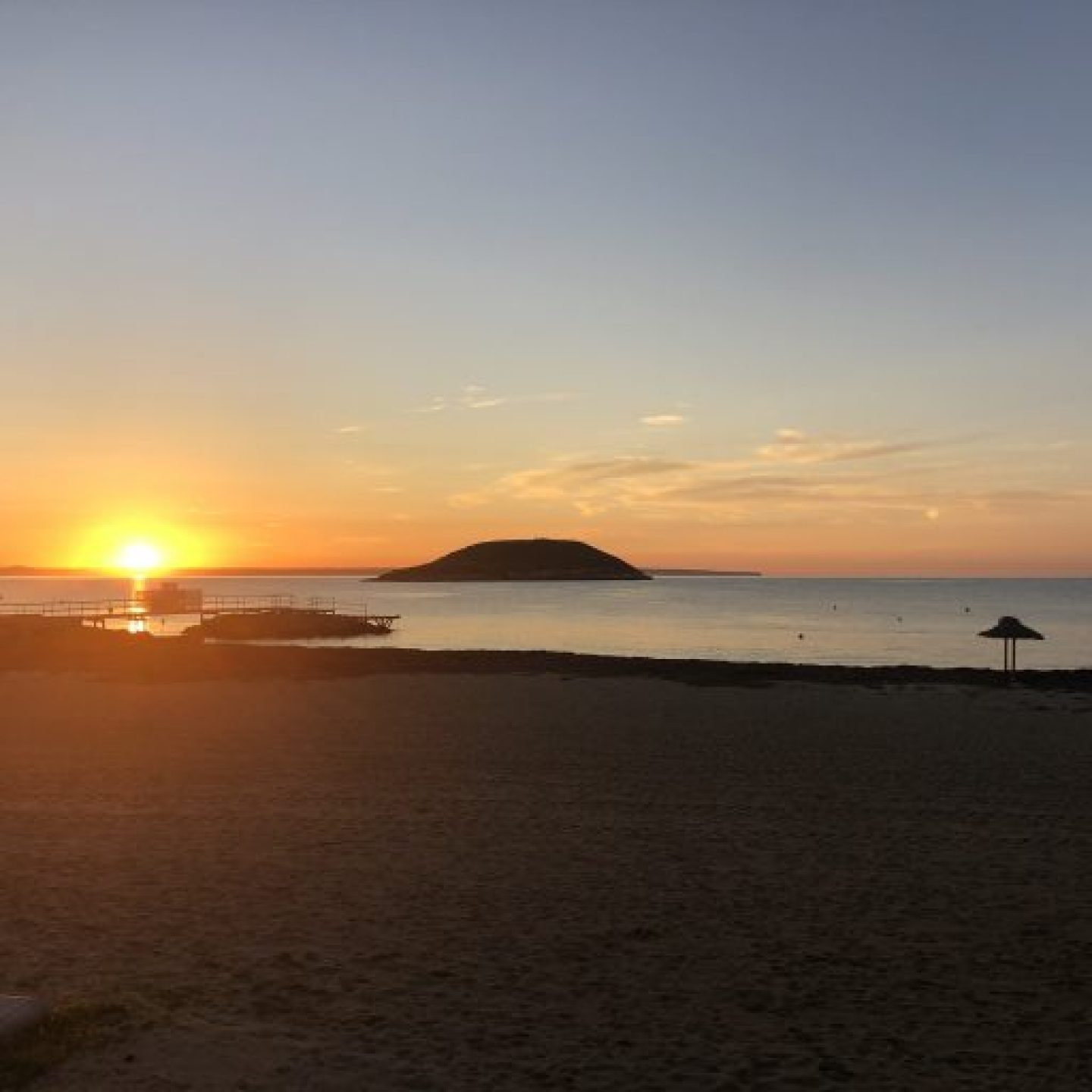
We are a beautiful island of contrasts — from the stunning beaches in the north to the mountains of the west, the caves and coves of the east, and the bustling nightlife of the south. There is something here for absolutely everyone.
If ever there was a destination built for tourism, it’s our island. It hasn’t been one of the most popular islands in the world for the past 50 years for nothing. In my opinion, it remains one of the best places to live and one of the best holiday destinations anywhere.
We can boast turquoise-blue waters, secret coves, soft golden sands, lush green landscapes, rugged mountains, picturesque villages, amazing cuisine, an up-and-coming wine industry, vibrant nightlife, and a lively capital city. And we’re just a couple of hours’ flight from most major European cities — right in the heart of the Mediterranean.
As someone who lives and works here, I see Mallorca’s magic every single day — in the people, the landscapes, and the memories our visitors take home. If we can combine smart marketing with genuine care for our environment and communities, I have no doubt that Mallorca will continue to shine as the jewel of the Mediterranean for decades to come.