I arrived in Mallorca in 1990 on a Dan-Air flight (remember them?) as I was attending a training course for new holiday reps with a company called Intasun. We had never been abroad as a family, so my mum (God bless her) thought I would be back within a week. Thirty-six years later, I’m still here!
The training course took place at the Hotel Guadalupe in Magaluf. It was fairly intense, but my previous four years as a Butlin’s Redcoat stood me in good stead, and I passed with flying colours. There must have been around 50 people on the course, and everyone who passed was called in to be told where in the world they were being sent. Another girl called Lisa and I were told we were staying in Magaluf.
And so my love affair with Mallorca and Magaluf began.
Magaluf’s advertising in 1990 was defined by brash, party-focused marketing from budget travel operators like Club 18–30. Campaigns relied heavily on cheeky slogans, radio spots, and tabloid print ads, promoting cheap booze and “sun-and-sex” holidays. That said, there was still a healthy mix of families visiting the resort.
A family holiday in Magaluf in 1990 was the classic British package holiday. It offered 3-star hotels, sun-drenched sandy beaches, and a boisterous, neon-lit nightlife, with family-friendly bars such as Manos and Benny Hill’s. It was also the time when Pirates Adventure came to the fore. As a hot-day rep, it was my favourite excursion, and I sent hundreds of people there. Little did I know it would become the company I would eventually spend the next 30 years working for.
Like this year, 1990 was a World Cup year, when England came so close to reaching the final. World in Motion by New Order, featuring the iconic John Barnes rap, was released and became a massive hit. Other songs I remember include Step On by The Happy Mondays, Groove Is in the Heart by Deee-Lite, and U Can’t Touch This by MC Hammer.
A pint of lager cost around 200 to 300 pesetas, and a full English breakfast was between 350 and 500 pesetas. Yes, this was all before the euro even existed.
I lived through all the good times of the 1990s and early 2000s, but then it all started to go wrong. Magaluf was making headlines for all the wrong reasons.
Something had to change, and it did.
This transformation was driven by strict local legislation, hundreds of millions of euros in private investment, and a major push to improve the resort’s image and environmental footprint.
The new Magaluf was born – or, as it’s now known, Calvià Beach Resort.
It is no longer a resort dominated by the UK market. Instead, it has become far more cosmopolitan, with visitors arriving from all over the world.
More than 80% of the hotels are now four- and five-star properties. Brands such as Meliá, Fergus, and Globales have invested millions, helping to extend the tourist season and encouraging growth in the MICE (Meetings, Incentives, Conferences and Exhibitions) sector.
Nikki Beach Mallorca has become the luxury anchor of Magaluf’s upscale transformation. Fashion brands such as Mango and Springfield, supermarket chains including Lidl and Aldi, and food and beverage names such as Five Guys and Starbucks are now all part of the resort’s growing fabric. Add to that the increasing number of bars, restaurants, beach clubs, and cafés run by local entrepreneurs, whose food, drinks, and customer service are second to none.
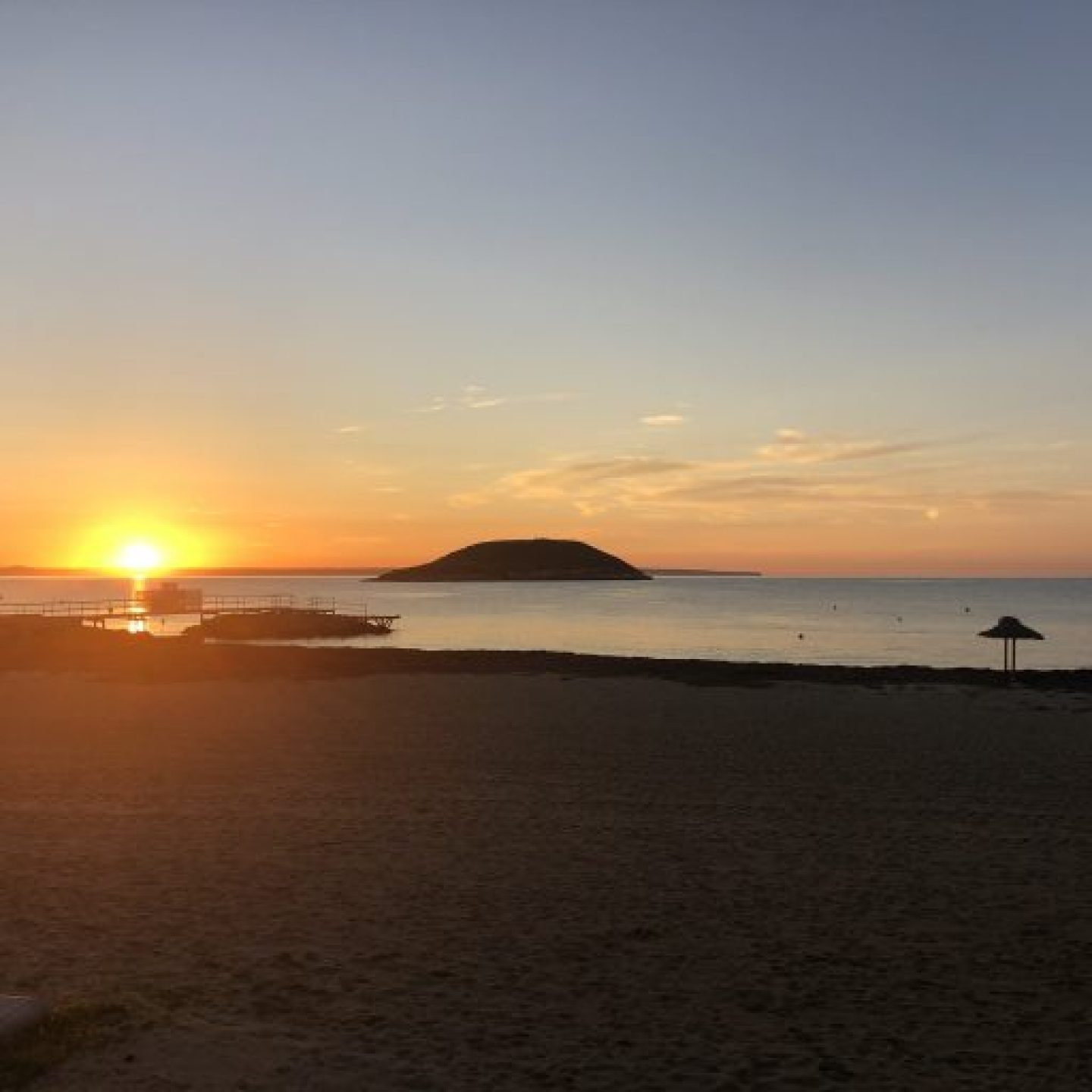
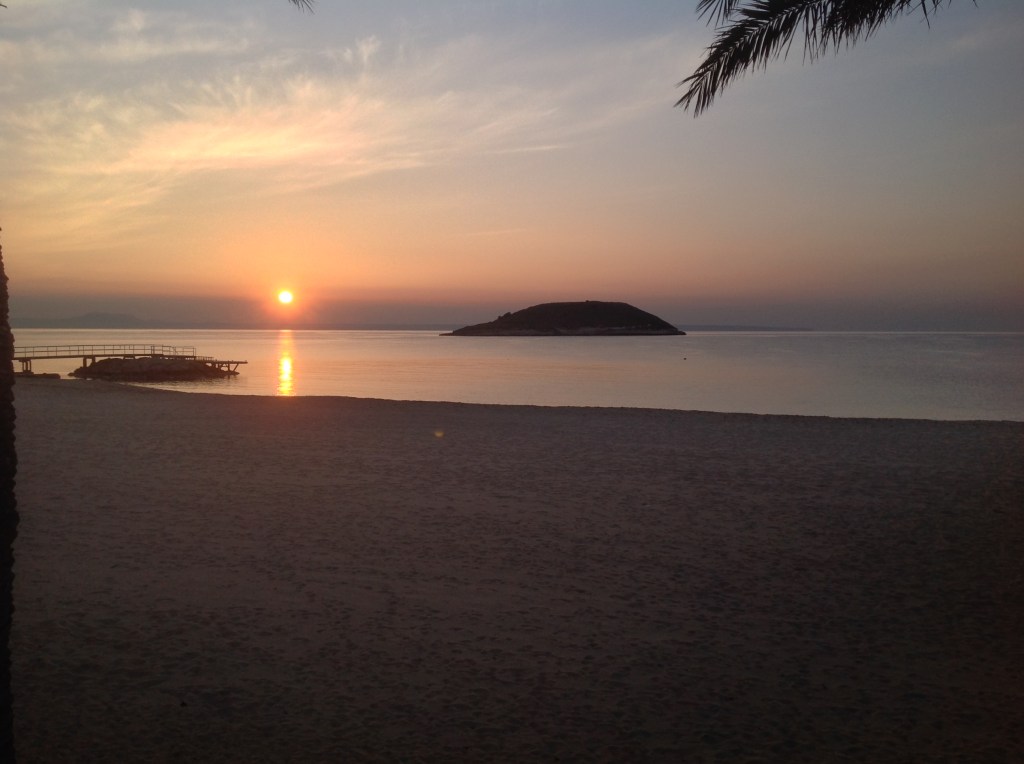
The beach is one of the finest urban beaches in Mallorca, having earned the prestigious Q for Tourist Quality flag. It has also been restored to a more natural state, complete with a dune system and palm trees. Through the new DTI (Smart Tourist Destination) project, the beach is now monitored in real time, allowing visitors to instantly check occupancy levels, water quality, and other useful information.
There’s also a new boardwalk, which has enhanced the range of leisure and dining options, significantly raised standards, and helped establish the resort as a Mediterranean benchmark for urban renewal.
The resort is home to some of the island’s leading family attractions, including Pirates Adventure, Western Water Park, and Katmandu Park.
Mallorca Live Festival, held on the outskirts of Magaluf, has established itself as one of Europe’s must-visit music festivals. This year, more than 70,000 people attended over three days to see artists including The Prodigy, Kaiser Chiefs, and David Guetta. Next year, the festival celebrates its 10th anniversary, with the dates of 11th and 12th June already in the diary.
Sports tourism has also grown significantly, with the state-of-the-art athletics stadium leading the way in welcoming athletes from around the world.
Magaluf still offers a fantastic nightlife; it’s simply become that little bit more sophisticated. BCM has consistently been ranked among the world’s leading nightclubs by DJ Mag and Nightlife International. It focuses heavily on EDM, house, trance, hip-hop, and R&B, and has welcomed world-renowned artists such as Calvin Harris, David Guetta, Steve Aoki, and Martin Garrix.
Probably one of the greatest achievements by the local authorities has been the improvements in safety and security. In recent years, the number of complaints during the high season has fallen by around 30% – a steady improvement backed up by Local Police data.
Magaluf has changed and, in my opinion, changed for the better. Granted, it’s not the same resort I first arrived in back in 1990. But times change, and Magaluf has evolved into a high-quality destination that now attracts visitors from the four corners of the world.

