Remembrance and Identity: A British Expat’s Tale

I came to Mallorca back in 1990. Back then, I worked the summer seasons and went back home in the winter to look for work. My wife Rachael and I met at Pirates; she was Captain Scarlett and I was Captain Darling. We bought an apartment together in 1999, and once we had done that, we tended to stay here in the winters more and more. We got married in 2005 and moved to where we live now, and not long after that our first son, Jacob, was born. Three and a half years later our second son, Jude, arrived.

I class Mallorca as my home, but I have never once considered giving up my British passport and becoming a Spanish citizen. Having lived here for 35 years now, and my wife for slightly less, we could both apply for citizenship — but it’s not something we want to do. We have said to our sons that it’s entirely up to them what they decide.

My youngest, Jude — who you probably know is an aspiring footballer — said to me, “What if it comes to choosing England or Spain in football?” Now, firstly, he’ll be lucky to ever get into that position of course, but we can dream. If he ever did, I said it would be totally up to him. His choice right now is England.

He is also considering other avenues of work in case the football dream doesn’t materialise, which is something we have encouraged. Right now, he wants to go into the military or the fire service, and he would like to do that in the UK.

Working on the radio, I like to keep a keen eye on the news and particularly on things that are happening in the UK. I also listen intently to family and friends and what they have to say about the state of my country of birth. None of it right now seems to be positive.

A poll released only a few days ago from King’s College London reported that less than half of those polled (46%) felt proud of Britain, down from 56% in the past five years.

Remembrance Sunday was a couple of weeks ago — a day held annually on the second Sunday in November in the UK and other Commonwealth countries to commemorate the contribution of British and Commonwealth military and civilian service members in all wars and conflicts. It is a time for national reflection, observed with acts of remembrance such as wearing poppies, attending ceremonies, laying wreaths, and observing two minutes of silence.

My nephew William was part of the RAF band playing at the Cenotaph. I was saddened to hear Alec Penstone, aged 100, who fought in World War II and has attended several remembrance events and appeared on ITV’s Good Morning Britain. When asked what his message was for Remembrance Sunday, he said:

“My message is, I can see in my mind’s eye those rows and rows of white stones, of all the hundreds of my friends who gave their lives. For what? The country of today? No, I’m sorry. The sacrifice wasn’t worth the result that it is now.”

Alec explained:

“What we fought for was our freedom, and even now, it’s a darn sight worse than what it was when we fought for it.”

Surely this can’t be right?

Why Tourism is Crucial for Mallorca’s Economy

We live in a democratic world, thankfully, and that gives us the opportunity for free speech and the right to protest. So, I have no problem with the people who were protesting in Mallorca a few weeks ago. Where I do have a problem is with the mixed messages that seemed to be coming out.

My understanding was that they were there to protest about tourist overcrowding and the lack of affordable housing. But there were also people waving Palestinian flags and calling for Mallorcan independence. When the messages start to become mixed, the actual purpose of the protest, in my opinion, loses credibility.

The protesters claimed there were 30,000 people, while the police said there were 8,000. Who do you believe? Well, even if you go with what the protesters claim, that’s just 3% of the overall population. Hardly a majority, is it?

In my opinion, they shouldn’t be protesting against tourism or tourists. The issue lies with the government—and more importantly, with previous governments—and their lack of investment in social housing. You could also argue that some of the protesters are being hypocritical. Why, you ask? Well, for two reasons: one, you can almost guarantee that each and every one of them has a family member or friend who earns their living through tourism. And two, do these people not go on holiday themselves? If they do, they are contributing to the very thing they are protesting about!

The question is: if you’re really pushing back against tourism, what else are we able to offer? We’re not exactly in the heart of the manufacturing world, are we? Like it or not, tourism is a major pillar of our economy, contributing approximately 45% of our total GDP. Some analyses suggest that tourism’s influence extends even further, potentially impacting up to 90% of the island’s economic activity.

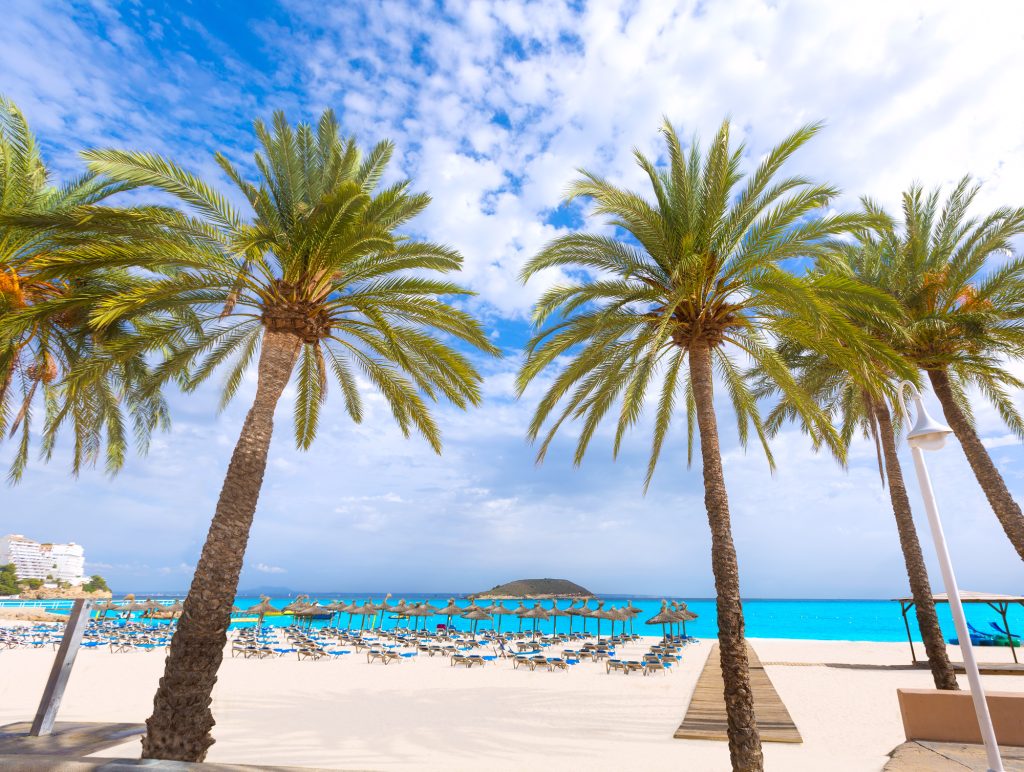
We should be embracing what we have and looking for solutions to the problem. We have a great example of how holiday destinations can evolve right on our doorstep. Magaluf is, in my opinion, a shining example of how a resort once much derided can reinvent itself. If you don’t believe me, go and see for yourself.

UK-EU Deal: Impact on Mallorca Travelers and Businesses

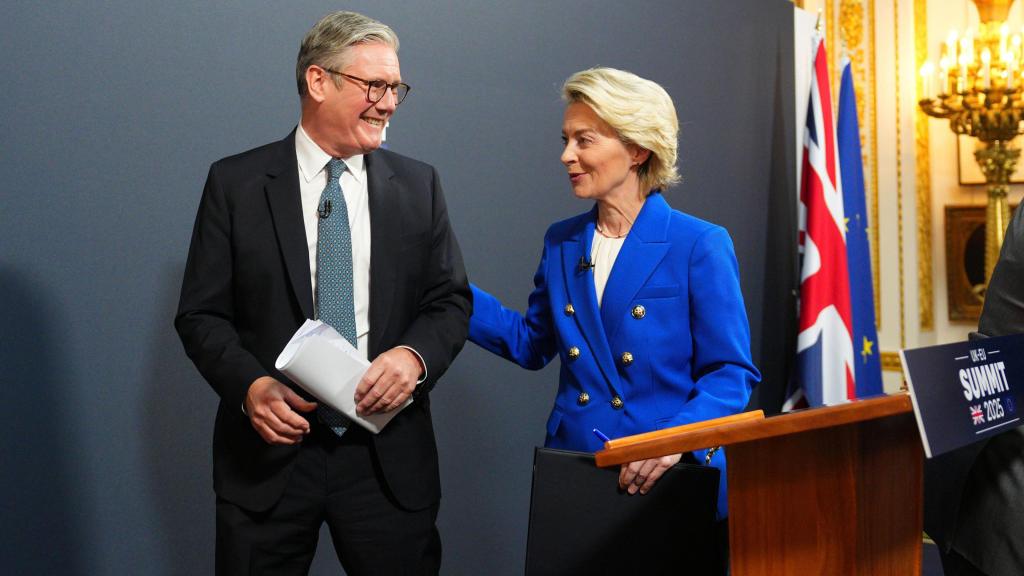
There seemed to be quite a lot of backlash this week following Sir Keir Starmer’s UK Government agreement with the EU. Now, depending on which paper you read—and its political leaning—you’ll see varying reports on the reaction. The Labour-supporting Mirror said, “Deal is Win-Win,” while The Guardian reported, “EU deal puts Britain back on world stage.” On the other side, the Conservative-supporting Mail declared, “Starmer’s Surrender,” and The Daily Telegraph (or “Torygraph” as it’s sometimes known) ran with, “Kiss goodbye to Brexit.”

With any deal, there are always going to be winners and losers—it’s pretty much impossible to keep everyone happy. As I always say, the devil is in the detail. While there are various headlines surrounding what’s been discussed, a lot of it is still in the planning stage and should have a large TBC written next to it.

Purely from a selfish point of view, and focusing on the parts that matter to us here in Mallorca, I think it’s a great deal for travellers and businesses.

The food deal—or to give it its full name, the Sanitary and Phytosanitary (SPS) Agreement—would eliminate some of the trade barriers erected during Brexit. This would provide provisioners, supermarkets, and their suppliers with the opportunity to import more UK produce more quickly and easily. I imagine this could result in cost savings, so hopefully we’ll see a drop in prices too.

Also, for businesses here wanting to sell their produce in the UK, the previous barriers should now be removed, making it easier and cheaper to export.

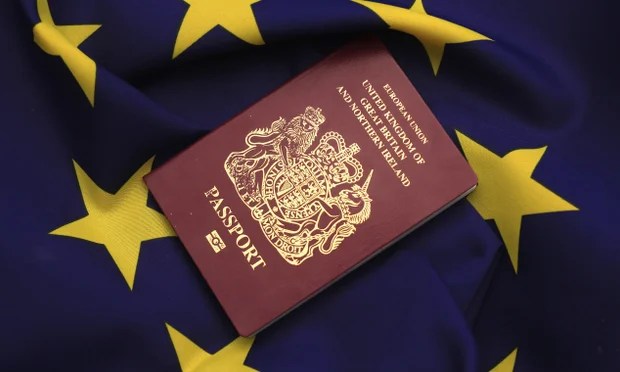
Using e-Gates-There is a suggestion that holidaymakers could avoid “huge queues” at airports through an agreement allowing British travellers to use e-Gates at European airports. The agreement states that there will be “no legal barriers to e-Gate use for British nationals travelling to and from member states”—but nothing firmer yet. It’s up to individual member states to implement this. I’m not sure if Palma Airport’s owner, AENA, will be too happy, after redesigning Terminal A to cater solely for British tourists and passengers from non-Schengen countries. But still a positive step for UK travelers around Europe.

A youth mobility scheme—which the government has now rebranded as a “youth experience scheme”—also appears to be in the works. The terms must be mutually agreed, as the final numbers, how the cap will apply, and the time limits all still need to be worked out.

If it does happen, I think it will be great news not only for young adults who want to travel and work, but also for businesses here, which are crying out for young workers. I do hope the Spanish Government acts quickly on this. It benefits not only young Brits wanting to come here, but also Spanish young adults, who should have a reciprocal arrangement.

As I said above, all these so-called deals still need some meat on the bone—they need to be fully negotiated. But in my opinion, the ones that affect us represent a positive step in the right direction. I had that opportunity as a young person, and I didn’t look back. I, for one, would like my children to have the same opportunities.

Spain’s New Workweek: 37.5 Hours and Same Pay

If you say to any worker, “I’m going to reduce your working hours but still pay you the same,” without a doubt they’ll respond, “Where do I sign?”

Ask the same question to employers, and I’m sure they’ll look at you in utter dismay and ask, “Why?” Most employers are already finding it hard enough to recruit good, qualified staff—and enough of them to cover the hours they need.

But the Spanish government is moving ahead with plans to reduce the official working week from 40 to 37.5 hours, without reducing salaries. Implementation is expected towards the end of 2025, and it won’t surprise you to know that the proposal has full support from the unions.

“This proposal is about living better, working less, and being much more productive and economically efficient,” said Labour Minister Yolanda Díaz, who put the idea forward.

However, the centre-right Catalan separatist party Junts has already signalled resistance, while the main employers’ lobby, CEOE, argues it will raise Spanish firms’ costs and make them less competitive.

If I’m honest, I lean toward the second opinion. This proposal is heavily weighted in favour of employees rather than employers, and it feels like a populist move designed to win votes in the next election.

I can understand it more on the mainland, where industries like manufacturing and construction are more prominent than here in Mallorca. On the island, tourism is by far the dominant sector, accounting for a significant portion of the economy. While specific figures vary, tourism is estimated to contribute between 40% and 75% of Mallorca’s GDP. It’s also the primary driver of employment, with a large percentage of the workforce directly or indirectly involved in tourism-related businesses.

Once again, Mallorca will suffer from a policy that benefits the mainland more than it benefits us.

Brexit And The Government Effects on Mallorca’s Economy

A couple of subjects I’ve banged on about over the last few years have made it back into the headlines in the last week. 

Firstly, it looks like Kier Starmers Labour Government is going to organise a scheme where 18 to 30-year-olds are going to be able to work in Europe for a three-year period. 

In relation to this, back in December I wrote this….

“Of the 18-24 year olds, 73% voted to remain and 27% voted to leave. Compare that to the over 65’s where 60% voted to leave and 40% voted to remain. It’s a sad fact of life that some of those over 65’s are now no longer with us, and while I respect their right to vote for what they believed in. Surely a clearer majority should have been put in place to make sure a tight result meant a second referendum? Although you have to be over 18 to vote in the UK, why weren’t the 16 and 17-year-olds at the time not given the opportunity to vote on something that would ultimately affect their future? Unless something changes they’re going to have to live with the consequences of this decision for about 70 years, and it’ll affect every area of their lives from education, to jobs and to travel.

Both the UK and the EU have suffered from an employment point of view, ever since the freedom of movement was taken away. Mallorca has suffered twice in the need for workers from both Brexit and the pandemic. Brexit has brought the lack of workers from the UK and since the pandemic, less seasonal workers from the Spanish mainland have arrived. Meaning some bars and restaurants only open for 5 days a week, and have you wondered why it’s so difficult to get a taxi in July and August?”

This is not something new, and therefore not something that is anti-Brexit. The UK already has an existing youth mobility scheme with a dozen other countries, they are, Australia, New Zealand, Canada, South Korea, Andorra, Iceland, Japan, Monaco, San Marino, Uruguay, Taiwan and Hong Kong. So making this scheme available to young people in Europe, I can only see this as a good move. Remember, we were all young once! 

Talking of the young, the UK Government is looking to change how school holidays are taken. Now, school holidays have been another bug bear of mine ever since Michael Gove said in 2013 that children were not allowed to go on holiday during term time. When I arrived in Mallorca in 1990 there were families here from May to the end of October, without any problems. Prices were spread quite evenly throughout those months, with a rise during the popular months of July and August. After banning children from travelling out of school hours, the prices of holidays, particularly in those two months, rocketed and have increased over time. Some parents just can’t afford to take their children away at that time and choose to go during term time, and they have been fined for doing so. 

Before 2013 this wasn’t the case, and do we truly believe that kids suffered in their education? This is not about encouraging truancy, this would be an agreement between parents and teachers who lets face it is the people who should decide not a Government Minister. If the child has a good attendance record and is not behind in their work, in my view they should be encouraged to go on holiday. Seeing new countries, experiencing new cultures, hearing new languages and tasting different cuisines should be part of their education. 

Rather than look at shortening children’s holidays, I wish they would go back to how it was before. I speak for myself and probably the majority of you out there when I say, we didn’t turn out too bad, did we? 

Freedom Of Movement

Back in May, I wrote this;

“The 23rd of June 2016 was a day when the older generation in the UK totally changed the landscape for the younger generation. It was the day that Brexit became a reality and unfortunately, just over half of the population believed the spin of vote leave campaign more than the spin of vote remain. One of the driving forces for vote leave was immigration, and by taking away the freedom of movement they said the UK would get their borders back. Well that went well didn’t it!

On the one hand, all it has done is to drive the people to take much riskier ways of getting to the UK. And on the other hand, it has denied the younger generation all over Europe, the freedom to travel and work abroad. 

Why is the UK Government so obsessed with denying people the freedom to travel? It seems they and those who voted for Brexit forgot they were young once and decided it is best that they deny the same opportunities to younger people.”

Of the 18-24 year olds, 73% voted to remain and 27% voted to leave. Compare that to the over 65’s where 60% voted to leave and 40% voted to remain. It’s a sad fact of life that some of those over 65’s are now no longer with us, and while I respect their right to vote for what they believed in. Surely a clearer majority should have been put in place to make sure a tight result meant a second referendum? Although you have to be over 18 to vote in the UK, why weren’t the 16 and 17-year-olds at the time not given the opportunity to vote on something that would ultimately affect their future? Unless something changes they’re going to have to live with the consequences of this decision for about 70 years, and it’ll affect every area of their lives from education, to jobs and to travel.

Both the UK and the EU have suffered from an employment point of view, ever since the freedom of movement was taken away. Mallorca has suffered twice in the need for workers from both Brexit and the pandemic. Brexit has brought the lack of workers from the UK and since the pandemic, less seasonal workers from the Spanish mainland have arrived. Meaning some bars and restaurants only open for 5 days a week, and have you wondered why it’s so difficult to get a taxi in July and August? 

Rumours are abound in Westminster that the Government have set up a task force to forge closers ties with our former EU partners. One of the topics is the freedom of movement for 18-30 year olds. I don’t understand anyone who would deny anyone of any age their freedom of movement, particularly if it was to go somewhere looking for work. But if it means our children can enjoy the same freedom as I and many others did, then I am all for it. 

A Catch Up With Juan Antonio Amengual The Mayor Of Calvia

On the 16th of December 2022, I was asked by a good friend to have a coffee with a friend of his in Portals Nous. He explained that the person I was meeting was an ex-hotelier who had become a consultant in the Tourist industry, and he was the prospective leader for the PP political party in Calvia to become the Mayor. Juan Antonio Amengual was his name and he was asking me through the radio and my blog to help push the ‘foreign voters’ into registering themselves in order that they were able to vote in the upcoming local elections in May 2023. He wasn’t pushing them to vote for him at the time but at least to get registered as the cut off to be registered was in January, 5 months before the actual elections! Juan Antonio was very clever as he knew that 30% of the population in Calvia were foreign voters and if registered to vote that would give him a better opportunity to win. 

When it came to the elections in May 2023, the PP increased their vote share to win 3 more seats than they did previously, and they then entered into a coalition with Vox to gain overall control of Calvia by just one seat.  When you go back over the numbers you see that of the 52,458 population, 31,549 (60%) were registered to vote. Of that number that were registered to vote, only 17,384 (55%) actually did. When you look at the number of people registered to vote against the overall population, just a third (33%) of the population actually bothered. Which in all honesty and despite the push to vote, the overall turnout was poor. Of those figures, I don’t know how many were from the non-Spanish voters. 

Last week, I interviewed Juan Antonio to look back on his first 18 months in power. One thing I admire about him is he gets himself around. There isn’t an event in the municipality that he misses, judging by the pictures on social media. He tells me that he seriously hasn’t had a holiday in those 18 months, plus the 6 months of campaigning, and he is looking forward to a break at Christmas. But he is rightfully proud of his team and the pushing out of their manifesto pledges. He stresses his most important project is to extend the season and I noticed a quote this week from the outgoing President of the Hoteliers Association Maria Frontera, who said that “Public authorities are content with having services open for six or seven months”. Not in Calvia says Juan Antonio, he is looking to extend the season for as long as it’s possible. The message they gave at the World Travel Market was ‘one Tourist, one friend’ and that despite the tourism protests in the summer, tourists are definitely welcome in Calvia all year round. The first phase of the new promenade in Magaluf has started at a cost of €5 million and the second phase funding has just been secured for the winter of 2025/26. There is an amazing opportunity to showcase all that is happening in Calvia and especially Magaluf when the ABTA conference comes to town in October next year. The Travel Convention is attended by decision makers, influencers and opinion formers spanning the full breadth of the mainstream and specialist travel sector; from tour operators and cruise lines, to hotels, airlines and all types of travel retailer. It is also attended by travel industry specialists, from accountants and lawyers to technology providers and marketing experts. Approximately 75% of the attendees are ABTA Members or Partners.

The event attracts more leading journalists from the UK national, consumer and travel trade press than any other UK travel industry event held overseas, creating significant coverage of the event.

Delegate numbers for The Travel Convention are capped at around 600, to provide delegates with a high quality event and networking experience. So as you can see it’s a perfect opportunity for Mallorca, Calvia and Magaluf to promote themselves and that is not lost on Juan Antonio.

At the end of the interview, he encourages everyone to attend the many fiestas that are happening through the holidays. Details of which can be found on the council’s website https://www.calvia.comThe full interview with Juan Antonio can be found at https://www.facebook.com/RadioOneMallorca 

He wishes everyone a Happy Christmas and a Happy New Year. 

As this is my last column before Christmas and the New Year, I would also like to wish you all a very Merry Christmas and a peaceful and prosperous New Year. 

A Mallorca Solution For The Winter Fuel Allowance

I have never voted in the UK elections as I’ve been away for so long. Whilst here in Mallorca, we can vote in the local elections, but not in the national elections. Which to me doesn’t make sense, as I’m a resident and taxpayer. Now I’m not one to talk politics but this week I’m going to attempt, well in a roundabout way. I know I need to have a good long word with myself, and believe me I will after this.

The good thing about a democracy is that everyone can have an opinion, you will either agree with it or disagree with it, but at least it leads to a healthy debate.

Every now and again, Governments will release a policy or a decision that really riles up the electorate. Remember the poll tax, the Iraqi war or here in Mallorca the Tourist Tax? The current Labour government has come up with a policy that has caused a lot of controversy. I am of course talking about the winter fuel allowance. Introduced in 1997 by the then-chancellor, Gordon Brown, the winter fuel payment was intended to help older people with their heating costs during the colder months. Paid annually in autumn, it is £200 or £300, depending on age, and had always been universal, paid to everyone, irrespective of income or wealth.

But in a speech in the House of Commons in July, Rachel Reeves, the chancellor, announced that from now on the payment would be given only to older people who received pension credit, meaning only the very poorest pensioners. This is expected to reduce the number who get the money from more than 11 million to about 1.5 million.

I remember my Mum used to receive it and was grateful for the extra money during the winter and enabled her to heat her property for longer than she would normally do. 

I arrived in Mallorca in 1990 and back then the winters were just as busy as the summers. One of the main reasons for this was that pensioners would come away for months on end during the winter to get away from the cold weather in the UK. I worked winters here in Mallorca, The Algarve and Gran Canaria, and you’d get rooming lists of pensioner couples and singles, and it was very popular at the time. They had dedicated brochures in those days such as Golden Circle, Golden Days and Leisurely Days and whilst the tour operators still offer this, it doesn’t seem to be something that they push as much as they used to. 

Saga is the one of the main dedicated companies in this market and having done my research I’ve discovered I am actually eligible to go on one of their holidays! 

It got me thinking that why doesn’t the UK government approach the Tour Operators and ask if they would be willing to look at providing cheaper holidays for pensioners? Are you mad? I hear you ask. Well, maybe, but they do have a system like that here in Spain. 

The Imserso scheme is a social scheme that’s primary objective is to offer affordable holidays to the elderly residents of Spain. It is hoped that by subsidising trips for pensioners, their health and quality of life will improve whilst their dependence on others will decrease. As well as benefiting pensioners, the scheme will also benefit the wider community by incentivising economic activity and increasing employment within the tourism sector during the quieter winter months. Something Mallorca is crying out for. 

The Imserso scheme is only intended for Spanish residents, but here’s something I didn’t know. If you are an ex-pat who permanently resides in Spain, then you can take part in the programme provided you meet any of the following criteria:

  • A person who is retired and part of the Spanish public pension system.
  • A person who receives a widow’s or widower’s pension and is aged 55 or older.
  • A person who receives unemployment benefits or subsidies and is aged 60 or older.
  • A holder or beneficiary of Spain’s Social Security System, aged 65 or older 

Mallorca would in my opinion be a perfect destination as it’s only 2 hours from the UK and although the winter temperatures aren’t like the summer. They are certainly warmer than the UK. I’m sure it would be popular amongst pensioners and as I said above it would create employment here. Benidorm does it, so why can’t we? 

Maybe it’s something that could be discussed at the World Travel Market in London in November? Just a thought, now I’m off to have that word with myself and study that Saga brochure. 

Brexit, Was It Worth It?

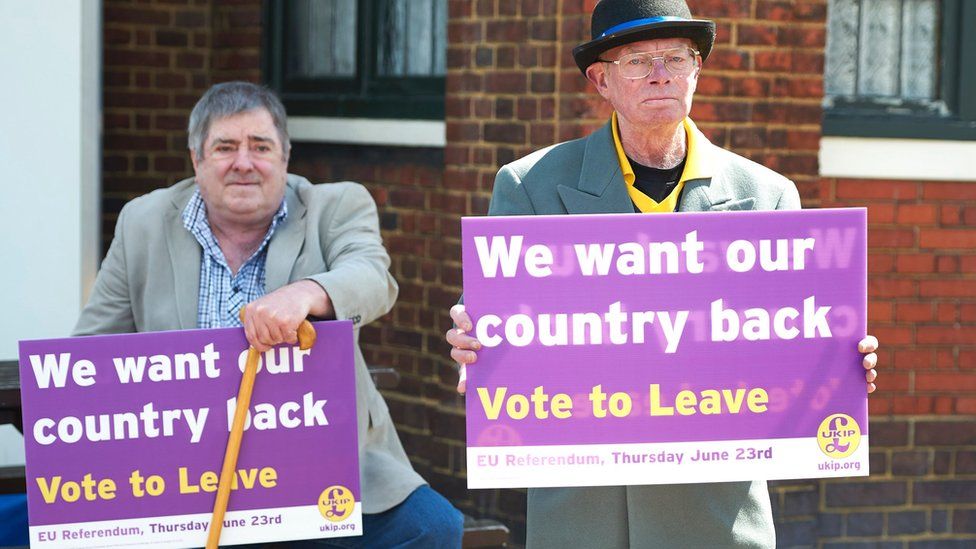
The 23rd of June 2016 was a day when the older generation in the UK totally changed the landscape for the younger generation. It was the day that Brexit became a reality and unfortunately, just over half of the population believed the spin of vote leave campaign more than vote remain. One of the driving forces for vote leave was immigration, and by taking away the freedom of movement they said the UK would get their borders back. Well that went well didn’t it!

On the one hand, all it has done is to drive the people to take much riskier ways of getting to the UK. And on the other hand, it has denied the younger generation in the UK, the freedom to travel and work abroad. 

I can take this back even further, when the Conservative/Liberal Democrat coalition took away the opportunity for parents to take their children out of school during term time for a holiday. A subject I’ve talked about before. Seeing new countries, experiencing new cultures, hearing new languages and tasting different cuisines should be part of their education in my opinion. And it should be in the hands of the parents and teachers to decide if a child could take some time away, not a Government Minister.

Why is the UK Government so obsessed with denying people the freedom to travel? It seems they and those who voted for Brexit forgot they were young once and decided it is best that they deny the same opportunities to younger people.

In the last few weeks I’ve highlighted the slowness at passport controls now and   that employing people from the UK is virtually impossible here in Mallorca. So imagine my surprise and anger when I heard this. Rishi Sunak has rejected an EU offer to strike a post-Brexit deal to allow young Britons to live, study or work in the bloc for up to four years.

The prime minister declined the European Commission’s surprise proposal of a youth mobility scheme for people aged between 18 and 30.

The current UK Government are on borrowed time, but even the Labour Party who are tipped to get into power have rejected this. Saying, “Labour has no plans for a youth mobility scheme. We have already suggested some tangible ways that we would look to improve the relationship and deliver for British businesses and consumers.”

In fact the only ones who support this are the Liberal Democrats, their leader Ed Davey says “Expanding our existing youth mobility visas to cover European countries on a reciprocal basis would be a win-win. 

“It would be a much-needed boost to our economy, especially hospitality and tourism; it would offer great new opportunities to young British people to work abroad; and it would be a crucial step towards fixing our broken relationship with Europe.” Unfortunately, the Lib/Dems have as much chance of winning the election as Tottenham Hotspur do of winning a trophy. 

Anand Menon, a professor of European politics and foreign affairs at King’s College London and director of UK in a Changing Europe, said: “Clearly there is a debate to be had about the costs and the benefits of a youth mobility scheme, but I find it utterly depressing that both of the major political parties, one of which will form a government after the next election, do not know the difference between free movement and a limited youth mobility scheme which involves visas.”

It is true that a youth mobility scheme would not be a return to freedom of movement and would, if agreed, require a YMS visa, evidence of sufficient funds to sustain a living and health insurance. There is speculation that the UK will try and do individual deals with certain countries rather than the whole Bloc. If that is the case, then I sincerely hope that Spain is top of that list. 

Richie is the MD at Pirates, the island’s number one night out featuring Adventure, Reloaded and Gringos. Subscribe to receive his blogs at http://www.dadtaximallorca.com

Follow him on Twitter @DadTaxi1 & Instagram @dad.taxi, or feel free to email him at rprior@globobalear.com