Sant Sebastià 2026: A Festival of Music and Tradition in Mallorca

Spain is widely known for its tradition of fiestas. A fiesta in Spain is a vibrant festival or celebration, often rooted in religious holidays honouring saints or commemorating historical events, but also encompassing cultural, seasonal, or modern parties. These celebrations typically feature music, parades, food, fireworks, and unique local traditions.

The patron saint of Palma de Mallorca is Saint Sebastian (Sant Sebastià), a Roman soldier martyred for his faith. His feast day is celebrated with major festivities in the city in the middle of January featuring concerts, bonfires, and traditional parades such as the Correfoc. He became the city’s patron after his relic was brought to the Cathedral, coinciding with the end of a plague and symbolising protection against epidemics.

This Friday, January the 16th the Crystal Fighters take to the stage in Plaça d’Espanya. They are an English-American electronic music band formed in London in 2007. Known for their explosive fusion of electronic music, folk influences, and festival energy, the band promises one of the international highlights of this year’s programme. Their Instagram says they are excited to start the New Year together with a free concert for all. 

On Saturday, January the 17th, the now-popular tardeos will spread across Plaça del Rei Joan Carles I and Plaça Major, with DJ sessions and live performances aimed at a broad audience. It’s a format that continues to grow in popularity, perfect for enjoying music during the afternoon while soaking up the atmosphere of Palma’s city centre.

Everything will culminate on January the 19th with the Revetla de Sant Sebastià, when simultaneous concerts will take over multiple city squares. Urban music and electrolatino will dominate Plaça d’Espanya, local talent and tradition will shine in Plaça Major, Catalan pop and Balearic sounds will fill Plaça del Rei Joan Carles I, and rock history will resonate in Plaça de Cort.

All in all, Sant Sebastià 2026 is shaping up to be a celebration marked by diversity, blending generations, traditions, and musical styles into a vibrant cultural offering that once again places Palma’s streets at the heart of the party.

Mallorca Leading The Way In Women’s Football

Something that isn’t talked about enough here on the island is women’s football. I have highlighted it in the past, and it is definitely time to talk about it again. 

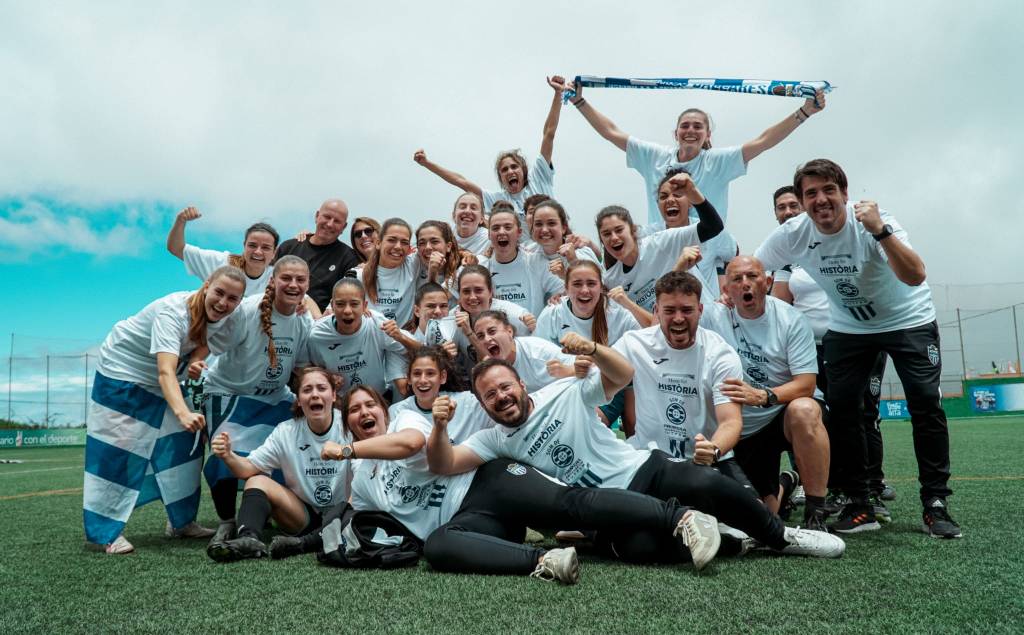
I was watching my youngest Jude training in CD San Francisco in Palma this past week, and I met up with some friends who were bringing their daughter to do some training with the girls team there. It’s so good to see girls and women’s football thriving on the island. In fact, our other professional team on the island, Atlético Baleares are the ones leading the way. 

Despite only being formed in 2018, they have made their way from local leagues to the “Primera Federación de Fútbol Femenino”, which in women’s football is equivalent to the second division. It’s an amazing achievement, and they are now only one promotion from the highest women’s league in Spain. This week, the Government held a reception for the whole team in Palma to celebrate their promotion. The women’s football pyramid in Spain is set up like this;

Primera División de fútbol femenino 

Primera Federación de Fútbol Femenino

Segunda Federación de Fútbol Femenino

Tercera Federación de Fútbol Femenino

Conectabalear Femenina autonómica 

Femenina Regional Mallorca 

Fútbol 7 Alevin/Infantil Groups A and B 

The top division contains the likes of Real Madrid and Barcelona. In the Primera Federación next season, Baleares will play the likes of the B teams of the big clubs. Mallorca’s next representatives are in the Tercera FDFF, UD Collerense, AD Son Sardina and the Baleares B team, who all finished in the top ten this season. The local leagues contain teams from all over the island, so there are plenty of opportunities. These are divided into women’s and girls teams. The Alevin and infantil teams can take girls up to the age of 14, and then they must take the step to the amateur women’s teams. That has been a problem as it’s quite a big step, but apparently, this coming season the Federation will add a “F7 Cadete” category for girls aged 14–16 years that are not quite ready or comfortable competing with amateurs. No matter where you are on the island, I’m sure there will be a club near you that will be looking for players. Where I live in Calvia there are two clubs with girls/women’s teams. Platges de Calvia have 1 team in Autonomica and one in Regional, as well as 2 teams in Alevin/Infantil. Sporting Son Ferrer has 1 team in Regional and 2 teams in Alevin/Infantil. 

Both clubs are looking for experienced or entrance level players for the coming season for all those teams.

Now the elephant in the room here is, where is Real Mallorca in all of this? The biggest club on the island doesn’t have a female team? That’s not good enough, really, particularly when you see the success of Atletico Baleares. I would have thought that a female team would be an obligation for a team in La Liga. What I’m hearing from people in the game that may well be coming in. They have dipped their toes in a few years ago, but apparently it didn’t work due to a lack of quality and interest. That has all changed now when Spain won the World Cup last year. 

As you may remember, they beat England in the Women’s World Cup Final last year. More interesting for me is that three of their players come from Mallorca. The goalkeeper Cata Coll was born in Portol. She played previously for Sant Marcel, Cide, Marratxí and Collerense here on the island and was bought by Barcelona and sent out on loan to Sevilla. She’s now back in Barcelona and, after a bad injury, is now Spain’s first choice. Whilst here on the island, she was training at the Pablo Roca goalkeeping school, where my youngest son Jude goes. She has also trained with Jude a few times too. 

Forward Mariona Caldenty was born in Felanitx where she began her career. That was followed by Cide, Collerense and in 2014 she joined Barcelona. 

Another player from Mallorca, Patri Guijarro, was one of the players who boycotted the Spanish squad before the last World Cup tournament. She was born in Palma where she played for UD Collerense and at the age of 17 she joined Barcelona and has been there ever since. 

All three of the above played for Barcelona last weekend in the final of the Women’s Champions League, beating Lyon 2-0.

Hopefully all three will inspire more girls on the island to play football and to become World Cup and Champions League winners in the future. 

Richie is the MD at Pirates, the island’s number one night out featuring Adventure, Reloaded and Gringos. Subscribe to receive his blogs at http://www.dadtaximallorca.com

Follow him on Twitter @DadTaxi1 & Instagram @dad.taxi, or feel free to email him at rprior@globobalear.com