
Mallorca is developing more and more into an international destination, and with that, more opportunities are becoming available to those of us living and working here. The truth is, why would you not want to come here?
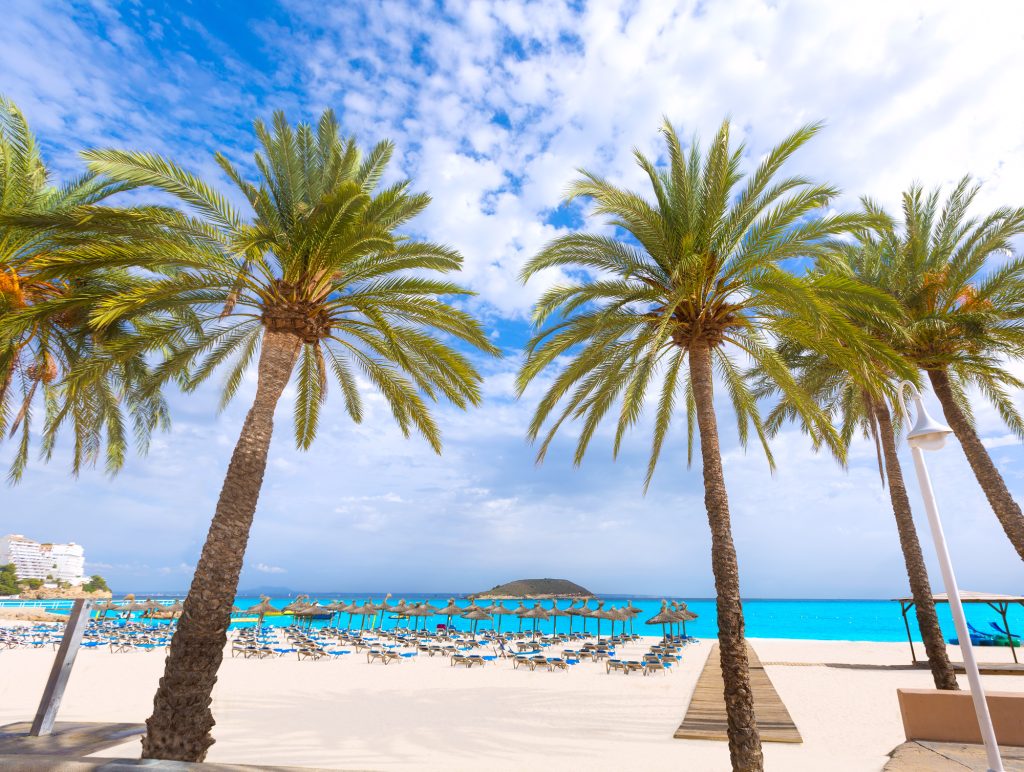
We are a beautiful island of contrast, from the stunning beaches in the north to the mountains of the west, the caves and coves of the east, and the bustling nightlife of the south. There is something for absolutely everyone.
If ever there was a destination built for tourism, it is our island. It hasn’t been one of the most popular islands in the world for the last 50 years for nothing. In my opinion, it remains one of the best places to live and one of the finest holiday destinations. We can boast turquoise-blue waters, secret coves, soft golden sands, lush green foliage, rugged mountains, picturesque villages, amazing cuisine, an up-and-coming wine industry, a lively nightlife scene, and a vibrant capital city. We’re also an island in the Mediterranean, just a couple of hours’ flight from most European cities.
Palma Airport, which is Spain’s third busiest, is currently undergoing a €559 million expansion and modernization by its owner, AENA. The project began in 2022 and is expected to be completed by the end of 2026. Its purpose is to improve the airport’s passenger-friendliness, efficiency, and sustainability.
One thing that is changing is the increasing number of direct flights arriving from outside of Europe. It used to be that anyone coming from further afield had to visit us via Madrid, Barcelona, or another European city. Since the pandemic and around the start of the airport expansion, things have started to change. In June 2022, a direct flight from New York to Palma began operating, and its frequency has increased every year. From June 17th to October 24th, 2026, Air Canada will launch a direct flight between Montreal and the island, and Etihad Airways has officially announced that it will begin direct flights between Abu Dhabi and Mallorca starting June 12th, 2026, running through to mid-September. This will be the first-ever direct connection between the UAE and Mallorca, and currently the only direct air link between Asia and the island — a landmark moment in Mallorca’s international connectivity.
Not only are all these connections great for the island but let’s remember we now have the opportunity to travel to these destinations for either business or pleasure. Making it a win-win situation.
Friends of mine in the wedding industry here on the island tell me that since the flights from New York began, there has been a steady increase in American couples getting married here. Friends in the property world also say that more and more foreign buyers are being lured to the island because of its beauty and great connectivity.
Not only is this good for business here but this also has a knock-on effect on many third-party businesses that may not be directly involved in these industries but will benefit from their growth.
I see all of this as positive, but I also understand that the sustainability aspect needs to be seriously looked at and addressed in a constructive way. We need to continue working to extend our seasonality. A 12 month year round Mallorca is far more appealing then a 6 month one and it could well lighten the load on the summer months. I see this slowly moving in the right direction, and we need to look at how we can better cope during the busiest months of the year, July and August. For Mallorca to become a year-round destination, we all need to work harder during the shoulder months to achieve this. Don’t listen to the naysayers who constantly say it can’t be done — Magaluf is now a perfect example of how positive change can happen. Keep those glasses half full!






 Dad Taxi Mallorca